How to Propagate Chinquapin oak?
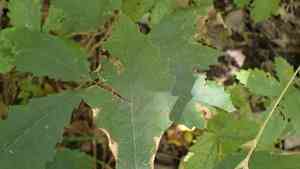
Chinquapin oak can be propagated using dormant wood cuttings, air layering, and by planting seeds in the fall and winter. The process of propagation is moderately challenging, with indicators of success including fresh shoots and root development. For effective propagation, it is crucial to ensure the soil remains damp, utilize a rooting stimulant, and sustain a temperature range of 60-65°F.
Optimal Period for Chinquapin Oak Propagation
Propagation Method
Cutting
Propagation Period
Autumn,Winter
Essential Tools for Chinquapin Oak Propagation
Sharp Pruning Shears
Pruning shears are vital for taking chinquapin oak cuttings. Sharp, clean blades ensure precise cuts, minimizing harm to the parent plant and cutting, which helps prevent disease and boosts rooting success.
Rooting Hormone
Rooting hormone encourages root development on chinquapin oak cuttings. Its use enhances the likelihood of successful root formation. It contains synthetic auxins that mimic natural plant hormones, promoting quicker and more uniform root initiation.
Propagation Tray
A propagation tray offers an organized, controlled setting necessary for chinquapin oak cuttings. Its design keeps cuttings stable and properly spaced, ensuring good air circulation and preventing fungal issues.
Sterilization Equipment
Items like alcohol wipes or bleach solutions are used to sterilize pruning shears and propagation trays. Sterilization is crucial to stop the spread of pathogens that could harm chinquapin oak cuttings.
Soilless Potting Mix
This medium provides a sterile, well-draining environment for chinquapin oak cuttings. Free of pathogens and weeds, it supports healthy root growth without the risk of soil-borne diseases that can affect young plants.
Heating Mat
A heating mat provides consistent warmth from below, which can significantly improve the rooting success of chinquapin oak. Stable temperatures are key to fostering healthy root development in the early propagation stages.
Plastic Dome or Cover
A dome or cover maintains high humidity levels around chinquapin oak cuttings, which is crucial to prevent them from drying out before rooting, ensuring the tissue stays hydrated and viable.
Moisture Meter
This device measures the moisture content in the potting mix holding chinquapin oak cuttings. Maintaining ideal moisture levels is vital for rooting, as over-watering can cause fungal problems while under-watering can lead to desiccation.
Grow Lights
If natural light is insufficient, grow lights provide an alternative, offering a consistent light source that promotes photosynthesis and healthy growth in developing chinquapin oak cuttings.
Misting System (optional)
For larger operations, an automated misting system can be used to maintain humidity and hydration for chinquapin oak cuttings. It delivers a fine spray that keeps the environment moist without over-saturating the medium.
Post-Propagation Care for Your Chinquapin Oak
Post-Propagation Care for Your Chinquapin Oak
Once the chinquapin oak cutting has developed a strong root system, typically indicated by new leaf growth, it can be moved to a larger pot or its permanent garden spot. Gradually acclimate the young plant to outdoor conditions if it was rooted indoors. Maintain consistent soil moisture but avoid overwatering, apply mulch to keep roots cool and moist, and shield it from strong winds and intense sunlight. Fertilize with a balanced fertilizer during the growing season to support healthy development.
Common Errors to Avoid When Propagating Chinquapin Oak
Incorrect soil type
Using poorly draining soil can lead to waterlogging, which may cause the seeds or roots of chinquapin oak to rot.
Over-watering
While consistently moist soil is needed, excessive watering can suffocate chinquapin oak roots and promote fungal diseases.
Planting depth errors
Chinquapin oak acorns or cuttings planted too deep may fail to sprout or root correctly, impeding growth.
Ignoring stratification
Failing to stratify chinquapin oak seeds might result in low germination rates, as it's crucial for breaking seed dormancy.
Overlooking pest inspection
Neglecting to check chinquapin oak acorns or cuttings for pests before planting can lead to infestations that harm or kill young plants.
Tips For Propagating Chinquapin Oak
Proper soil selection
Utilize a well-draining soil blended with organic matter to encourage robust root growth for chinquapin oak.
Moisture management
Keep soil moist but not waterlogged to prevent rot and mimic chinquapin oak's natural habitat.
Correct planting depth
Plant chinquapin oak acorns just beneath the soil surface and place cuttings with at least one node buried for optimal rooting.
Seed stratification
Stratify chinquapin oak acorns before planting by chilling them for a period, which helps simulate winter and breaks seed dormancy.
Pest control
Thoroughly inspect chinquapin oak propagation material for pests and treat if necessary before planting to ensure healthy establishment.



