How to Propagate Swamp chestnut oak?
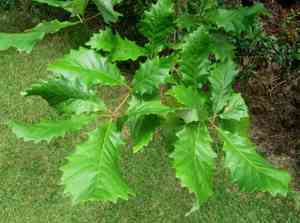
Swamp chestnut oak can be reproduced via hardwood cuttings and air layering during the fall and winter periods. Planting seeds also presents a feasible option for propagation. These techniques are of moderate complexity, and successful propagation is indicated by fresh shoots and root formation. Maintaining damp soil and ensuring sufficient sunlight are crucial for robust development.
Optimal Period for Swamp Chestnut Oak Propagation
Propagation Method
Cutting
Propagation Season
Fall,Winter
Tools Required for Swamp Chestnut Oak Propagation
Sharp pruning shears
Pruning shears are vital for obtaining cuttings from swamp chestnut oak. They enable precise, clean cuts that minimize harm to the parent plant and boost the rooting prospects for the cuttings. Sharp blades are essential to prevent crushing or tearing plant tissue, which can lead to disease and poor root development.
Rooting hormone
Applying rooting hormone to the cut end of swamp chestnut oak cuttings can significantly improve root development. This hormone typically contains auxin, which stimulates root growth, thereby increasing propagation success rates.
Sterilized potting mix
A sterile, well-draining potting mix offers an ideal environment for swamp chestnut oak cuttings to establish roots. Utilizing a sterilized mix helps prevent soil-borne diseases that could otherwise jeopardize the health and growth of young plants.
Humidity dome or plastic bag
Maintaining high humidity around swamp chestnut oak cuttings is critical for their survival before root establishment. A humidity dome or clear plastic bag creates a microclimate that retains moisture and helps prevent cuttings from drying out.
Heat mat
A heat mat gently warms the rooting area, encouraging faster root growth in swamp chestnut oak cuttings. Consistent bottom heat can be particularly beneficial during colder months or in cooler climates.
Plant labels and marker
Labels are important for monitoring the progress of swamp chestnut oak propagations. Recording the cutting date and any other pertinent information ensures proper management and care throughout the propagation period.
Post-Propagation Care for Your Swamp Chestnut Oak
Post-Propagation Care for Your Swamp Chestnut Oak
Following successful propagation, gradually introduce the young swamp chestnut oak to outdoor conditions if it was propagated indoors. Plant it in its permanent location, ensuring the site is well-draining and provides full sun to partial shade. Water regularly during dry periods and apply mulch around the base to retain soil moisture and regulate temperature. Monitor for pests and diseases, and provide support during windy conditions as it establishes. Fertilize annually with a balanced, slow-release tree fertilizer to promote healthy growth.
Common Errors to Avoid When Propagating Swamp Chestnut Oak
Insufficient watering
When propagating swamp chestnut oak, a common error is not providing enough water, which can lead to dehydration since the species naturally thrives in moist environments. Dehydrated cuttings or seedlings may fail to establish roots, stunting growth or causing death.
Overwatering
Conversely, excessive watering can cause root rot in swamp chestnut oak, particularly in poorly draining soils. Overly saturated soil lacks the necessary oxygen, which is crucial for root development and can promote fungal growth harmful to the plant.
Neglecting soil quality
Using soil that does not mimic swamp chestnut oak's natural habitat can hinder its growth. Inappropriate soil composition may not provide adequate nutrients or moisture retention, critical for the health of swamp chestnut oak.
Improper cutting technique
Cuttings must be taken with care, as improper technique can damage swamp chestnut oak's potential for root formation. Rough cuts or those made at incorrect angles can impede the healing process and root initiation.
Advice for Propagating Swamp Chestnut Oak
Humidity control
Maintaining high humidity around swamp chestnut oak cuttings is crucial. Using a plastic covering can help retain moisture in the air, aiding in the prevention of desiccation while new roots are developing.
Soil preparation
Preparing a soil mix that drains well yet retains moisture, ideally with organic matter similar to swamp chestnut oak's natural habitat, will facilitate healthier growth and mimic the conditions it is adapted to.
Rooting hormone
Applying rooting hormone to the base of swamp chestnut oak cuttings can significantly improve rooting success. This promotes root growth and helps protect the cutting from diseases while it establishes.
Careful watering
Balancing moisture levels through careful watering ensures that swamp chestnut oak's roots receive adequate water without becoming waterlogged, which is essential for healthy root and plant development.



