How to Propagate Bur oak?
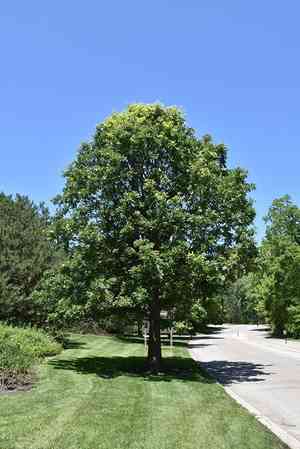
There are several methods for propagating Bur oak, such as taking hardwood cuttings, air layering, and planting seeds. The most suitable periods for propagation are during the fall and winter seasons. The level of difficulty in propagation differs based on the technique employed, but indicators of successful propagation involve the development of roots and new shoots. Essential advice includes ensuring sufficient hydration and maintaining the cutting or seed in a warm environment.
Optimal Time for Bur Oak Propagation
Propagation Method
Cutting
Propagation Period
Autumn,Winter
Tools for Bur Oak Propagation
Sharp Bypass Pruners
Bypass pruners are vital for taking cuttings from the parent bur oak tree. They create clean cuts without crushing stem tissues, which is essential for healing and rooting. By ensuring a sharp, precise cut, they reduce disease risk and improve rooting success.
Rooting Hormone Powder
Rooting hormone encourages root development on bur oak cuttings. The powder form is easy to apply and adheres well to fresh cuts, promoting new root growth, especially important for hardwood cuttings needing extra help to initiate root formation.
Sterilizing Solution
To prevent disease spread during bur oak propagation, sterilizing tools before use is crucial. Sterilizing solutions, like alcohol or bleach mixtures, ensure all equipment is free from harmful pathogens.
Moist Sand or Vermiculite
Sand or vermiculite serves as a rooting medium for bur oak cuttings. They offer excellent drainage and aeration, vital for preventing rot and encouraging root growth. The medium should be consistently moist but not waterlogged to support healthy root development.
Plastic Bags or Covers
Creating a humidity dome with plastic bags or covers over bur oak cuttings maintains high humidity levels. This microenvironment prevents desiccation and promotes successful rooting by ensuring cuttings don't dry out during the critical initial stages of root formation.
Heat Mat
Though not always necessary, a heat mat can boost root development in bur oak cuttings by providing consistent, gentle warmth to the rooting medium. This is especially beneficial in cooler environments or seasons when ambient temperatures may not be ideal for root growth.
Caring for Your Newly Propagated Bur Oak
Caring for Your Newly Propagated Bur Oak
Once bur oak cuttings have established roots, move them to larger pots or a chosen outdoor spot. Ensure they are planted in well-drained soil and receive full sun to partial shade. Water the young bur oak deeply once a week, allowing the soil to dry between waterings. Mulch around the base to retain moisture and regulate soil temperature. Prune bur oak trees in winter to maintain structure and health while dormant. Monitor for pests and diseases and manage as needed.
Common Mistakes to Avoid When Propagating Bur Oak
Ignoring seed stratification
Without stratifying bur oak's seeds, they may not break dormancy due to their hard shell and dormancy characteristics. Lack of stratification can lead to very poor germination rates.
Planting seeds too deep
Sowing bur oak's seeds too deeply can prevent germination because they need a certain level of light and oxygen to sprout successfully. This can result in seeds remaining dormant and eventually rotting.
Incorrect soil preparation
Using soil that is too dense or lacks adequate drainage can cause waterlogging around bur oak's roots, potentially leading to root rot and decreasing the likelihood of successful propagation.
Overwatering
Giving bur oak too much water can suffocate its roots by limiting oxygen supply and creating an environment conducive to fungal diseases, which hinder healthy growth and development.
Neglecting acclimatization
Failing to gradually acclimate bur oak seedlings or cuttings to outdoor conditions can cause shock from sudden changes in temperature, humidity, or light, potentially killing the young plants.
Tips For Propagating Bur Oak
Cold stratification
To stimulate germination, bur oak's seeds should undergo a period of cold stratification, which mimics the natural winter conditions they would experience in the wild.
Seed depth
When sowing seeds, place them no more than 1/4 inch deep and lightly cover with soil, ensuring they are not too far from the light and air they need to germinate.
Soil composition
Use a well-draining soil mix when planting bur oak, which will help prevent root rot and other moisture-related issues while providing a firm foundation for growth.
Watering schedule
Maintain consistent moisture levels for bur oak by watering when the soil is dry to the touch but avoiding excess water, as this species is drought tolerant once established.
Gradual acclimatization
Introduce bur oak seedlings or cuttings to outdoor conditions over a period of time to reduce transplant shock and increase their chances of successful adaptation to their growing environment.



