How to Propagate Shingle oak?
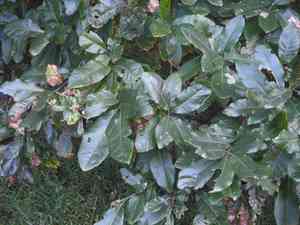
Quercus imbricaria can be reproduced during the fall and winter seasons via dormant wood cuttings, air layering, and seed planting. The level of challenge for its propagation is average. Indicators of successful reproduction involve the emergence of new root development and robust, youthful sprouts. When employing dormant wood cuttings for propagation, ensure the utilization of fully matured branches from the prior year's development.
Optimal Time for Shingle Oak Propagation
Propagation Method
Cutting
Propagation Period
Autumn,Winter
Tools Required for Shingle Oak Propagation
Sharp Pruning Shears
Crucial for taking cuttings, sharp pruning shears ensure a clean incision that minimizes harm to both the parent tree and the shingle oak cutting. Clean cuts enhance rooting prospects and overall propagation success.
Rooting Hormone
Applied to the severed end of the shingle oak cutting, rooting hormone stimulates root growth and boosts the likelihood of successful establishment. It is particularly advantageous for hardwood cuttings like shingle oak, where natural rooting is more challenging.
Sterile Potting Mix
A sterile potting mix offers a disease-free environment for shingle oak cuttings to develop roots. The medium should drain well yet retain sufficient moisture to promote root growth without causing rot.
Propagation Tray with Dome
Used to maintain consistent moisture and humidity around the shingle oak cuttings, a propagation tray with a dome creates a microclimate that supports root development and prevents the cuttings from drying out during the initial growth stages.
Heating Mat
Providing gentle bottom warmth, a heating mat can enhance rooting success for shingle oak cuttings by maintaining an ideal rooting temperature, especially important during colder months or in cooler climates.
Misting System or Hand Sprayer
Either automated systems or manual sprayers ensure the shingle oak cuttings remain hydrated. Misting aids in preventing desiccation, which is vital for the cutting's survival until roots form.
Caring for Your Newly Propagated Shingle Oak
Caring for Your Newly Propagated Shingle Oak
After propagation, continue to maintain consistent soil moisture, being careful not to overwater the shingle oak. Provide the shingle oak with a location that receives full sun to partial shade, and protect from extreme temperatures while the new plants are establishing. As growth progresses, transition into a regular care routine, including seasonal fertilization and pruning as needed for health and shape.
Common Errors to Avoid When Propagating Shingle Oak
Inadequate rooting environment
Attempting to root shingle oak cuttings in soil or media that is too dense or poorly drained can lead to rot or fungal infections. These conditions are not conducive to the development of a healthy root system.
Overwatering
While shingle oak cuttings need moisture to root, excessive watering can suffocate roots, reduce oxygen availability, and promote disease, hindering the plant's ability to establish.
Ignoring cutting health
Using diseased, damaged, or weak cuttings for propagation of shingle oak can result in poor or unsuccessful root development. Healthy parent material is crucial for successful propagation.
Neglecting hygiene
Failing to sterilize tools and containers when taking cuttings or handling shingle oak seeds can introduce pathogens, potentially leading to contamination and failure of the propagation process.
Advice for Propagating Shingle Oak
Correct medium choice
Utilize a well-draining propagation medium, such as a mix of peat and perlite, to encourage the rooting of shingle oak cuttings without retaining excessive moisture that could cause issues.
Balanced moisture
Maintaining a consistent but moderate level of moisture in the rooting medium helps shingle oak cuttings establish roots without being oversaturated, which is essential for their development.
Selecting healthy cuttings
Choose vigorous and disease-free cuttings from shingle oak to improve the chances of successful rooting. Strong parent material leads to better propagation outcomes.
Maintaining cleanliness
Sterilize all tools and containers before propagating shingle oak to prevent the spread of disease, ensuring a healthier start for new plants.



