How to Propagate Ring-cupped oak?
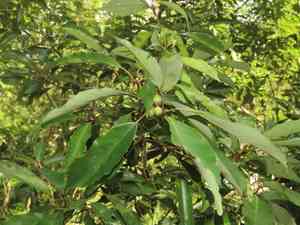
Originating from East Asia, ring-cupped oak flourishes in permeable substrates and can adjust to various ecological circumstances, including metropolitan environments. Reproducing ring-cupped oak is successfully accomplished via cuttings, a technique requiring the selection of sound, semi-lignified sections. To improve the likelihood of root formation, apply rooting stimulant to the severed ends prior to inserting them into an appropriate cultivation substrate. Steady hydration and warmth are essential, but refrain from excessive watering to avert decay. With diligent attention, ring-cupped oak cuttings will mature into vigorous young trees, prepared to enrich outdoor spaces with their decorative leaves.
What Is the Best Time To Propagate Ring-cupped Oak?
Propagation Type
Cuttings
Propagation Season
Fall,Winter
What Tools Are Used in Ring-cupped Oak Propagation?
Sharp Pruning Shears
These tools are crucial for making precise cuts on ring-cupped oak branches intended for propagation. They help minimize damage and bruising to plant tissues, which is vital for healthy callusing and subsequent rooting. Clean cuts enhance rooting success by reducing infection risk and providing a larger surface for root development.
Rooting Hormone Powder
This hormone assists ring-cupped oak cuttings by stimulating root growth at the cut site. Applying rooting hormone increases the chance of successful propagation by promoting faster root initiation and development. This tool is especially important for woody plants like ring-cupped oak, which might otherwise struggle to generate roots efficiently.
Sterilization Equipment (Alcohol or Bleach Solution)
Used to sanitize pruning shears and any other tools that contact ring-cupped oak cuttings. Sterilizing equipment is essential to prevent the spread of diseases and pathogens between plants. Ensuring all tools are clean helps maintain the overall health of the cuttings during critical rooting stages.
Propagation Trays
These trays offer an organized space for placing ring-cupped oak cuttings after treatment with rooting hormone. They should have good drainage and be filled with a suitable propagating medium that retains moisture yet allows excess water to drain, conditions critical for successful rooting of ring-cupped oak.
Humidity Dome
Placing a humidity dome over propagation trays helps maintain high humidity levels around ring-cupped oak cuttings, which is crucial for preventing them from drying out before roots establish. The controlled environment also aids in temperature stability, enhancing rooting success.
How to Propagate Ring-cupped Oak?
Propagation Type
Moderately Difficult
How to Care for Your Newly Propagated Ring-cupped Oak?
How to Care for Your Newly Propagated Ring-cupped Oak?
After rooting, gradually acclimate the ring-cupped oak to its new environment by removing the humidity cover over a week. Keep the soil consistently moist, but not waterlogged, providing 1-2 inches of water weekly. Once established and actively growing, ring-cupped oak benefits from a balanced, slow-release fertilizer applied in spring. Ring-cupped oak prefers full sun to partial shade and thrives in well-drained soil. Prune annually to maintain shape and improve airflow, crucial for preventing fungal diseases.
Common Mistakes to Avoid When Propagating Ring-cupped Oak
Overwatering
Excessive watering of ring-cupped oak cuttings or seed beds can lead to root rot and fungal infections, as this species prefers well-drained soil.
Deep planting
Planting ring-cupped oak seeds too deeply can hinder germination because the seeds require adequate light and oxygen to sprout.
Ignoring stratification
Ring-cupped oak seeds often need a period of cold stratification to break dormancy; skipping this step reduces germination rates.
Neglecting acclimation
Failing to gradually acclimatize ring-cupped oak seedlings to outdoor conditions can cause shock and stunt growth due to the sudden environmental change.
Tips For Propagating Ring-cupped Oak
Optimal hydration
Ensure ring-cupped oak cuttings and seed beds are consistently moist but not waterlogged to encourage root development and prevent disease.
Correct planting depth
Sow ring-cupped oak seeds at shallow depths, as they need sufficient light to germinate effectively.
Cold stratification
Mimic natural conditions by subjecting ring-cupped oak seeds to cold stratification to increase the likelihood of successful germination.
Gradual acclimation
Introduce ring-cupped oak seedlings to outdoor conditions in a step-wise fashion to reduce transplant shock and acclimate them to their final growing location.



