How to Propagate Scarlet oak?
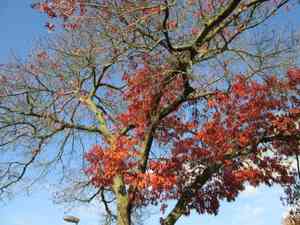
Quercus coccinea can be reproduced via dormant wood cuttings, air layering, and seed planting in the Fall and Winter seasons. The propagation challenge is moderate, yet indicators of successful reproduction should become apparent within a few weeks. It is crucial to prevent excessive watering and ensure sufficient illumination and nourishment for robust development.
Optimal Time for Scarlet Oak Propagation
Propagation Method
Cutting
Propagation Period
Autumn,Winter
Tools for Scarlet Oak Propagation
Pruning Shears
Crucial for taking clean, precise cuttings from mature scarlet oak specimens, minimizing disease risk and promoting quicker healing.
Rooting Hormone
Aids in root development for scarlet oak cuttings, boosting the chances of successful establishment upon transplant.
Sterilization Equipment
Utilized to sanitize pruning shears and other tools, preventing pathogen spread to scarlet oak cuttings and ensuring healthy growth.
Moisture-retentive Propagation Media
Offers an ideal growing environment for scarlet oak cuttings, ensuring sufficient moisture and aeration, vital for root formation.
Planting Pots with Drainage Holes
Enables proper water management and prevents root rot in scarlet oak cuttings by allowing excess water to drain.
Clear Plastic Bags or Propagation Dome
Creates a humid microenvironment around scarlet oak cuttings, essential for preventing desiccation during rooting.
Heat Mat
Provides warmth from below to encourage root growth in scarlet oak cuttings, particularly beneficial during cooler propagation times.
Post-Propagation Care for Scarlet Oak
Post-Propagation Care for Scarlet Oak
Maintain consistent soil moisture, but avoid overwatering as scarlet oak dislikes waterlogged conditions. After 4-8 weeks, once the cutting has developed sufficient roots, gradually acclimate it to the outdoor environment by removing the plastic cover for longer durations daily. Transplant the cutting to a larger pot or a prepared garden spot, ensuring scarlet oak is placed in an area with full sun to partial shade and well-draining soil. Water regularly until the plant is well-established, and apply mulch to retain moisture and reduce weed competition.
Common Errors to Avoid When Propagating Scarlet Oak
Ignoring acorn freshness
Using old or dried-out acorns can be ineffective as scarlet oak's acorns quickly lose viability if not stored correctly. This results in poor germination rates.
Incorrect planting depth
Planting acorns either too deep or too shallow can hinder proper root formation and access to essential soil nutrients, leading to reduced germination success.
Excessive watering
While acorns require moist conditions to germinate, too much moisture can lead to rot or fungal diseases, which can kill the acorn before the seedling emerges.
Ignoring pest activity
Failing to protect acorns from squirrels, rodents, and insects that often consume or damage them can result in significant loss of viable planting material.
Advice for Propagating Scarlet Oak
Acorn selection
Choose plump, healthy-looking acorns from scarlet oak without any signs of holes or decay. The fresher the acorn, the higher the chance of successful germination.
Stratification
Mimic natural conditions by stratifying acorns; this cold treatment process breaks seed dormancy and promotes germination when conditions are favorable.
Sowing medium
Use well-draining soil or a sandy loam mix to sow acorns to maintain adequate moisture without causing waterlogging.
Protection strategies
Implement physical barriers like netting to protect sown acorns from foraging wildlife and insect predation.



