How to Propagate Coast live oak?
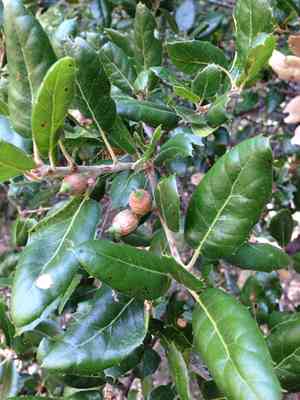
The Coast live oak, a adaptable species, can be reproduced via cutting and layering techniques, with springtime being the most suitable period. Reproduction may present a moderate challenge, but the emergence of new roots or shoots indicates successful establishment. Maintain adequate hydration levels throughout the propagation process.
When Is the Best Time to Propagate Coast Live Oak?
Propagation Method
Cutting
Propagation Period
Fall,Winter
What Equipment Is Used in Coast Live Oak Propagation?
Sharp Bypass Pruning Shears
These shears are vital for taking cuttings from coast live oak. Their sharp blades ensure a clean cut, minimizing harm to the parent plant and boosting the cutting's rooting success. Precise cuts help prevent disease and reduce stress on both the cutting and the parent coast live oak, enhancing propagation success.
Rooting Hormone Powder or Gel
Applying rooting hormone to the cut end of coast live oak cuttings promotes root growth and increases the likelihood of successful propagation. Rooting hormones contain synthetic auxins that mimic the plant's natural growth hormones, thereby encouraging quicker root formation in cuttings of coast live oak.
Sterile Potting Mix
Sterile potting mix offers a clean, disease-free environment for coast live oak cuttings to establish roots. The mix should drain well while retaining enough moisture to support new growth. This potting medium prevents damping-off and other soil-borne diseases that could otherwise harm young cuttings.
Propagation Trays or Pots
These containers hold the sterile potting mix and the cuttings of coast live oak. They should have drainage holes to prevent waterlogging and ensure a healthy root system develops. Proper spacing of cuttings in these trays or pots allows for adequate air circulation, reducing the risk of fungal infections.
Plastic Domed Covers or Mini Greenhouses
These covers or mini greenhouses maintain a consistent, high-humidity environment around coast live oak cuttings, which is crucial for preventing them from drying out before they root. The increased humidity helps sustain the cuttings while they lack a developed root system to absorb water.
Heating Mats
Using heating mats under propagation trays or pots can enhance root development through temperature control. These mats gently warm the propagation medium, creating optimal conditions for root growth of coast live oak, especially during cooler seasons or in colder climates.
Watering Can with a Fine Rose Attachment
This tool allows for gentle watering of coast live oak cuttings without displacing the potting mix or damaging delicate new roots. It provides adequate moisture needed for cutting establishment while minimizing the risk of overwatering and offering the control necessary for maintaining the proper moisture level in the propagation medium.
How to Care for Your Newly Propagated Coast Live Oak?
How to Care for Your Newly Propagated Coast Live Oak?
Once the coast live oak cutting has rooted, which can be confirmed by a gentle tug to feel resistance, gradually acclimate it to less humid conditions by opening the plastic cover over about a week. When new growth appears, transplant it to a larger pot or into the ground in well-draining soil. Continue to water as needed to keep the soil moist but not waterlogged, and protect it from extreme temperatures. As coast live oak matures, it will require less frequent watering but should still be monitored for overall health and pest issues.
Common Errors to Avoid When Propagating Coast Live Oak
Poor cutting selection
Choosing cuttings from the wrong part of the plant or at an unsuitable maturity stage can lead to unsuccessful rooting. Cuttings should be healthy, disease-free, and taken from a vigorous part of coast live oak.
Overwatering cuttings
While moisture is essential for root formation, excessive watering can lead to rot and fungal issues. It's crucial to keep the soil moist but not waterlogged to avoid damaging the developing roots.
Planting depth error
Planting cuttings too deep or too shallow can hinder root establishment. Cuttings need to be planted at an appropriate depth where they can be stable and receive enough oxygen.
Ignoring callusing
Failing to allow the cutting to callus over before planting can lead to rot. The cut end needs time to form a callus, which protects it and encourages root formation.
Neglecting humidity
Inadequate humidity can cause cuttings to dry out and fail to root. Maintaining a humid environment helps ensure that the cuttings of coast live oak do not lose too much moisture.
Tips For Propagating Coast Live Oak
Select healthy cuttings
Choose semi-hardwood cuttings from a healthy part of coast live oak that are free of pests and diseases, which increases the chances of successful propagation.
Provide proper drainage
Use a well-draining propagation medium to prevent waterlogging, which encourages healthy root growth without the risk of rot.
Optimal cutting depth
Plant the cuttings at the correct depth, so the cut end is well-supported but not too deep, which helps with stability while growing roots.
Allow cutting to callus
Before planting, let the cutting's cut end callus over for a few days to form a protective barrier that promotes root development.
Maintain adequate humidity
Keep the environment around the cuttings of coast live oak humid with a propagation dome or frequent misting to prevent desiccation during the rooting process.



