How to Propagate Snow pear?
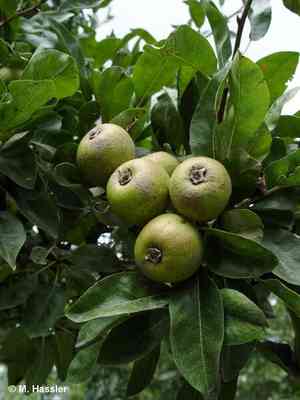
The Snow pear variety is highly amenable to grafting, a process that preserves its distinct attributes. Employing a vigorous rootstock significantly boosts its resilience and developmental pace. It is advisable to execute grafts when the plant is in a dormant state to achieve greater success. The use of sanitized and keen instruments is crucial for making accurate incisions, thereby fostering stronger graft connections and overall plant well-being.
Optimal Period for Snow Pear Propagation
Propagation Method
Grafting
Propagation Period
Spring,Winter
Tools Utilized in Snow Pear Propagation
Grafting Knife
A keen grafting blade is crucial for executing clean, precise incisions on snow pear stems or scion wood. A clean cut is vital for ensuring successful grafting, as it aids in achieving superior contact between the grafting materials and boosts the likelihood of the graft taking hold. This instrument is specifically designed for horticultural applications, featuring a curved edge that permits accurate cuts.
Grafting Tape
This adhesive strip is employed to firmly secure the scion of snow pear to the rootstock post-grafting. Grafting tape guarantees that the joined sections are held tightly together, preserving the alignment and contact necessary for the tissues to merge correctly during the healing process. It is flexible and self-adhering, offering an effective barrier against moisture loss and external elements.
Rooting Hormone
While primarily used for cuttings, rooting hormone can also be advantageous in grafting snow pear, particularly to encourage faster establishment and improved rooting of the grafted scion. The hormone stimulates root development, which is essential for the survival and growth of the new plant.
Pruning Shears
Used for preparing the rootstock and occasionally for harvesting scion material from snow pear, pruning shears are essential to ensure clean cuts that do not compromise the plant's overall health. Sharp, well-maintained shears prevent tissue damage, which can impede the grafting process and potentially introduce pathogens.
Grafting Wax
Following the application of grafting tape, grafting wax can be applied over the grafting site to further seal any exposed areas, retaining moisture and excluding pathogens. This substance is ideal for safeguarding the vulnerable junctions of grafted snow pear against environmental stress and infections during the critical healing phase.
How to Propagate Snow Pear?
Propagation Difficulty
Moderately Difficult
Caring for Your Newly Propagated Snow Pear
Caring for Your Newly Propagated Snow Pear
Once the initial graft takes, it's crucial to continuously monitor the plant for any indications of stress or illness. Maintain a consistent watering schedule, ensuring the soil remains damp but not waterlogged. Apply mulch around the base to retain moisture and regulate temperature. Prune as needed to shape the plant and remove any shoots that might divert energy from the grafted scion. Provide balanced nutrients during the growing season to encourage vigorous growth and fruit development. Regularly check for pests or diseases and implement appropriate measures if necessary.
Common Errors to Avoid When Propagating Snow Pear
Insufficient root development before transplanting
Transplanting snow pear before its roots are adequately developed can result in poor establishment and survival rates. This occurs because immature roots may not be able to absorb sufficient water and nutrients from the soil, leading to stress and potentially the demise of the plant.
Overwatering during rooting
Excessive watering of snow pear cuttings can lead to root rot, a condition where the roots begin to decay in overly moist conditions. This can significantly diminish the effectiveness of root development and impede the overall growth of the plant.
Using non-sterilized tools
Employing tools that are not sterilized can introduce pathogens to snow pear, leading to diseases that can be detrimental at the propagation stage. Contamination can result in poor growth or even failure of the propagation process.
Ignoring pest management
Neglecting pest control during the propagation of snow pear can lead to infestations that damage young cuttings and seedlings, severely impacting their growth and survival.
Advice for Propagating Snow Pear
Ensure proper root development
Allow snow pear's roots to develop sufficiently before transplanting. This ensures the plant is robust enough to survive the transition and flourish in a new location.
Maintain optimal moisture levels
It's vital to balance moisture levels when propagating snow pear. Ensure the soil is moist but not waterlogged to support healthy root growth and prevent rot.
Use sterilized propagation tools
Always use sterilized cutting tools and containers when propagating snow pear to prevent the spread of disease. This can be done by wiping tools with alcohol before use.
Monitor for pests regularly
Keep a regular check on snow pear for signs of pests during the early stages of propagation. Treating infestations early can prevent significant damage and promote healthier development.



