How to Propagate Scarlet firethorn?
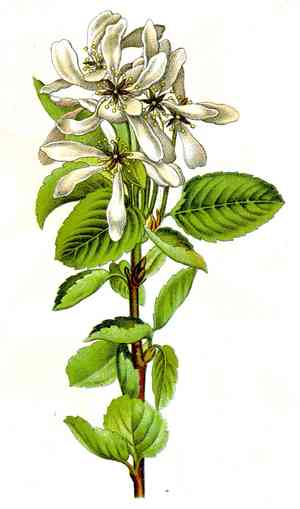
Scarlet firethorn is most effectively propagated via cuttings taken in the spring and summer seasons. Its propagation presents a medium level of challenge. Indicators of successful propagation include the emergence of new foliage. Ensuring a moist atmosphere contributes to better outcomes.
Optimal Period for Scarlet Firethorn Propagation
Propagation Method
Cutting
Propagation Period
Spring, Summer
Tools for Scarlet Firethorn Propagation
Pruners or Scissors
Essential for obtaining scarlet firethorn cuttings, these implements must be sharp and clean to ensure precise cuts without harming plant tissue. This helps prevent disease and encourages better root development on the cuttings.
Rooting Hormone
Enhances the likelihood of successful root formation in scarlet firethorn cuttings by stimulating root growth at the cut site. Rooting hormone powder or liquid can be applied directly to the freshly cut base before planting.
Potting Mix or Peat Moss
Offers a sterile and well-draining substrate suitable for the root development of scarlet firethorn cuttings. The medium should retain adequate moisture to support the cuttings as they establish roots, without becoming waterlogged.
Plant Pots or Trays
Used to contain the potting mix and cuttings, these vessels must have proper drainage to allow excess water to escape, preventing root rot and promoting healthy root development for scarlet firethorn.
Plastic Bags or Humidity Domes
Create a moist environment around scarlet firethorn cuttings to maintain hydration and encourage rooting. These aids help simulate a greenhouse effect, which is beneficial for the cuttings' survival during initial growth stages.
Heating Mat (optional)
While not mandatory, a heating mat can improve rooting success rates by providing consistent bottom warmth, which encourages rapid and healthy root development in scarlet firethorn cuttings, especially in cooler environments.
How to Propagate Scarlet Firethorn?
Propagation Method
Cutting
Difficulty Level
Moderately Difficult
Caring for Your Newly Propagated Scarlet Firethorn
Caring for Your Newly Propagated Scarlet Firethorn
Following transplanting, gradually introduce the new scarlet firethorn plant to less humid conditions. Keep the soil consistently moist, provide ample indirect sunlight, and shield from extreme temperatures. Fertilize with a balanced, slow-release shrub fertilizer as per package directions, and prune to maintain shape and encourage bushiness. As the plant matures, it will become drought-tolerant and require less frequent watering. Continue monitoring for pests and diseases to maintain the health of your scarlet firethorn plant.
Common Errors to Avoid When Propagating Scarlet Firethorn
Poor cutting selection
Choosing weak or diseased cuttings can lead to failure in root development. Healthy stem cuttings are crucial for successful propagation of scarlet firethorn.
Incorrect cutting time
Taking cuttings at the wrong stage of new growth might result in poor rooting. Semi-hardwood cuttings are ideal for scarlet firethorn.
Excessive watering
Too much moisture can cause rot, particularly in a cutting's propagation environment, which is detrimental to scarlet firethorn's root formation.
Insufficient watering
Failing to provide adequate moisture can lead to desiccation and failure of cuttings to root.
Neglecting hygiene
Not sterilizing tools or containers can introduce pathogens, harming the cuttings and reducing the chances of successful propagation of scarlet firethorn.
Advice for Propagating Scarlet Firethorn
Appropriate cutting selection
Choose healthy, disease-free semi-hardwood cuttings from the current or last season's growth for optimal results.
Utilize rooting hormones
Applying a suitable rooting hormone to the cut base of the cutting can enhance root development for scarlet firethorn.
Correct soil medium
Using a well-drained, sterile propagation mix provides the ideal environment for scarlet firethorn's cuttings to root.
Balanced humidity and temperature
Maintaining consistent humidity and temperature helps promote rooting without risking rot.
Monitor water levels
Water the cuttings enough to keep the soil moist but not waterlogged, providing the right balance for root growth.



