How to Propagate Blunt Mountainmint?
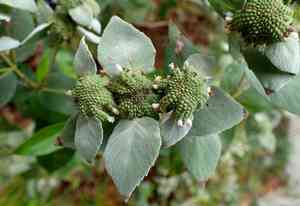
Blunt Mountainmint flourishes when reproduced via seeding. The seeds ought to be planted in soil that drains effectively and is fortified with organic material to encourage vigorous development. Guarantee steady hydration and ample light until sprouting takes place. For peak achievement, careful handling of the fragile young plants is vital during relocation.
Optimal Time for Blunt Mountainmint Propagation
Propagation Method
Seeding
Propagation Period
Spring
Tools for Blunt Mountainmint Propagation
Seed trays
Seed trays are vital for initiating blunt Mountainmint from seeds. They enable consistent sowing and offer ample room for initial growth. Utilizing seed trays aids in managing the moisture levels necessary for seed germination, which is critical for the delicate early stages of blunt Mountainmint.
Peat pots
Peat pots are especially advantageous for blunt Mountainmint due to their biodegradable nature. When blunt Mountainmint seeds are planted in peat pots, the risk of transplant shock is minimized. The roots of blunt Mountainmint can penetrate the pots when directly planted in the garden, preventing root disturbance and fostering healthier plant development.
Fine mist spray bottle
A spray bottle that produces a fine mist is essential for gently watering blunt Mountainmint seeds without dislodging them. Adequate moisture is crucial for seed germination, and a fine mist ensures the soil remains moist without becoming waterlogged, which could potentially hinder the seed germination process.
Horticultural perlite
Perlite is mixed with soil to enhance drainage and aeration, qualities important for the germination of blunt Mountainmint's seeds. It creates a favorable environment by preventing the soil from becoming too damp or compacted, which can otherwise lead to fungal diseases or poor seed germination.
Labeling tags
While not directly affecting growth, labeling tags are important for organized propagation using various seeds. They assist in marking blunt Mountainmint seeds during sowing in trays or pots, ensuring their specific care requirements are met throughout the growth stages.
How to Propagate Blunt Mountainmint?
Propagation Type
Simple
Caring for Your Newly Propagated Blunt Mountainmint
Caring for Your Newly Propagated Blunt Mountainmint
Following propagation and once seedlings are established, gradually introduce blunt Mountainmint to outdoor conditions. Plant them in a location with full sun to partial shade and well-drained soil. Water regularly, but allow the soil to dry slightly between waterings. Mulching around the plants can help retain soil moisture and suppress weeds. Fertilization is generally not required unless the soil is extremely poor. Monitor for pests and diseases, though blunt Mountainmint is typically quite resilient.
Common Mistakes to Avoid When Propagating Blunt Mountainmint
Overwatering cuttings
Excessive watering of blunt Mountainmint cuttings can lead to root rot, significantly decreasing the chances of successful root development. Saturated substrates hinder proper root growth and can result in fungal infections.
Planting in poor soil
Using unsuitable or incorrect soil types can impede the root establishment of blunt Mountainmint. This plant thrives in well-drained yet moist soils; soil that is too dense or clayey can obstruct root development and aeration.
Ignoring light requirements
Insufficient light can weaken blunt Mountainmint, leading to elongated, fragile stems and poor overall growth. Blunt Mountainmint requires adequate sunlight to thrive, which is crucial during the rooting phase.
Crowding plants too close
Placing propagated blunt Mountainmint plants too close together can hinder air circulation and light penetration, promoting diseases and unfavorable growth conditions.
Tips For Propagating Blunt Mountainmint
Use of rooting hormone
Applying a rooting hormone can significantly enhance the rooting success of blunt Mountainmint cuttings. This promotes healthier and faster root development, improving overall growth.
Proper cutting technique
Ensuring that cuttings are taken correctlyâusing sharp, clean scissors or shears to make a precise cut just below a nodeâincreases the likelihood of successful propagation for blunt Mountainmint.
Maintain proper humidity
Keeping the humidity high around blunt Mountainmint cuttings helps prevent the leaves from drying out before new roots have fully developed, aiding in steady growth.
Allow for adequate spacing
When potting or planting out new blunt Mountainmint individuals, ensure there is ample space between them. This prevents competition for nutrients, light, and air, allowing each plant to establish robustly.



