How to Propagate Flatfork fern?
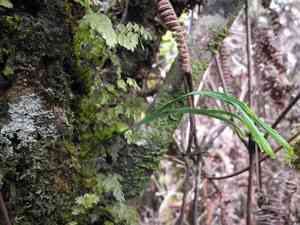
Flatfork fern is a distinctive fern species that flourishes in sandy, well-draining substrates under dappled light conditions. Reproduce flatfork fern by means of division, meticulously detaching the rhizomes and transplanting them into appropriate soil. Verify that every separated section possesses an active growth bud. Sustain uniform hydration without oversaturation to encourage robust development.
Optimal Period for Flatfork Fern Propagation
Propagation Method
Division
Propagation Season
Spring,Autumn
Tools Required for Flatfork Fern Propagation
Sharp Knife or Garden Shears
Crucial for dividing flatfork fern without harming its delicate root system and stems. This allows for precise cuts, ensuring healthy sections are separated for propagation.
Clean Containers or Pots
Used to hold the newly separated sections. Ensuring cleanliness helps prevent infections and diseases, promoting healthy development during the propagation phase.
Sterilizing Agent (e.g., Isopropyl Alcohol)
Essential for sanitizing tools between cuts to prevent cross-contamination and infection. This ensures the health and viability of each propagated section.
Moist Sphagnum Moss
Creates a humid environment that mimics flatfork fern's natural habitat, ensuring the sections stay moist and encouraging root formation.
Plastic Bags or Humidity Domes
Used to cover containers or pots to maintain high humidity levels, which is vital for the initial establishment of divided flatfork fern sections.
Watering Can with Fine Rose
Allows for gentle watering without disturbing the soil or moss around the newly propagated sections, ensuring consistent moisture without over-saturating the plant.
Labeling Tags
Helps in tracking different sections or clones of flatfork fern, ensuring proper documentation and care based on their specific needs observed during propagation.
Rooting Hormone (optional)
Can be utilized to encourage quicker root development; while not strictly necessary for flatfork fern, it can boost success rates, especially in less ideal conditions.
How to Propagate Flatfork Fern?
Propagation Type
Easy
Caring for Your Newly Propagated Flatfork Fern
Caring for Your Newly Propagated Flatfork Fern
Post-propagation, place the newly divided flatfork fern in a shaded or partially shaded spot with indirect sunlight. Keep the soil consistently moist but avoid waterlogging. Regularly check for adequate humidity and mist the fronds if needed. Apply a balanced, diluted liquid fertilizer during the growing season to support growth. Monitor new plants for signs of stress or disease, and provide appropriate care.
Common Errors to Avoid When Propagating Flatfork Fern
Overwatering
Excessive moisture can lead to root rot and fungal infections, which can be detrimental to flatfork fern's health and successful propagation.
Using Heavy Soil
Dense, compact soil hinders drainage and can suffocate the delicate roots of flatfork fern, impeding its growth and propagation success.
Insufficient Light
Placing flatfork fern in an area with inadequate light can stunt its growth and weaken the plant, making it less likely to propagate successfully.
Incorrect Cutting Technique
Improper cutting methods can damage the plant tissue of flatfork fern, leading to potential fungal infections or failure to propagate.
Ignoring Air Circulation
Poor air movement can create a humid environment, which can promote fungal growth and other plant diseases.
Tips For Propagating Flatfork Fern
Use Well-Draining Soil
Ensure the medium is light and provides good drainage to prevent waterlogging and root rot for flatfork fern.
Maintain Moderate Moisture
Keep the soil or substrate moderately moist, avoiding excessive watering to create an optimal environment for flatfork fern's propagation.
Provide Indirect Light
Place flatfork fern in an area with bright, indirect sunlight to ensure it receives enough light without being exposed to direct sun, which can be too intense.
Sterilize Cutting Tools
Always use clean, sterilized tools for making cuttings or divisions to prevent infections and diseases during the propagation process of flatfork fern.
Enhance Air Circulation
Ensure good airflow around flatfork fern to reduce the risk of fungal diseases and improve overall plant health.



