How to Propagate Purple-Leaf Sand Cherry?
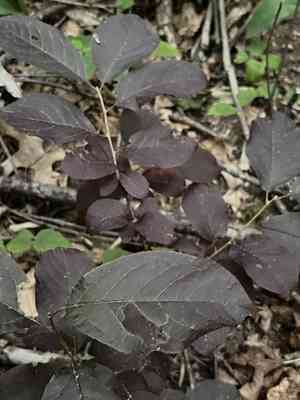
Purple-Leaf Sand Cherry, a compact deciduous bush prized for its deep purple foliage and pink to white blossoms in spring, flourishes with proper propagation. Cultivators achieve favorable results by utilizing semi-hardwood cuttings collected in late summer. Verify that cuttings measure roughly 4-6 inches in length and remove the bottom leaves. Immerse the severed tip in rooting compound and embed in a porous soil blend. Sustaining humidity and offering dappled light will foster root development and robust growth, enhancing its appearance in outdoor settings.
When Is the Optimal Time to Propagate Purple-leaf Sand Cherry?
Propagation Method
Cutting
Propagation Period
Autumn,Winter
What Equipment Is Used for Purple-leaf Sand Cherry Propagation?
Sharp Pruning Shears
Crucial for taking cuttings from purple-Leaf Sand Cherry, sharp pruning shears guarantee a clean and precise cut, minimizing harm to the parent plant. A smooth cut helps prevent disease entry and encourages healthier root growth on the cuttings.
Rooting Hormone Powder or Gel
Applied to the severed end of purple-Leaf Sand Cherry's cuttings, rooting hormone stimulates root development more effectively and uniformly. This boosts the chances of successful rooting, which is vital for clones to grow into viable new plants.
Sterile Potting Mix
Utilizing a sterile potting mix prevents the introduction of pathogens, fungi, or pests that could harm purple-Leaf Sand Cherry cuttings during their vulnerable rooting phase. A well-draining mix supports moisture retention without waterlogging, fostering ideal rooting conditions.
Propagation Trays with Dome Lids
These trays offer an ideal humid environment for purple-Leaf Sand Cherry's cuttings by maintaining regulated moisture levels around them. The dome lids aid in retaining humidity and warmth, both essential for encouraging root development.
How to Propagate Purple-leaf Sand Cherry?
Propagation Difficulty
Moderately Difficult
How to Care for Your Newly Propagated Purple-leaf Sand Cherry?
How to Care for Your Newly Propagated Purple-leaf Sand Cherry?
Once purple-Leaf Sand Cherry cuttings develop roots and exhibit new growth, gradually acclimatize them to standard growing conditions. Begin by removing any humidity cover for a few hours daily, increasing the duration progressively. After several weeks, you can transplant them into a larger container or directly into the garden in well-drained soil. Purple-Leaf Sand Cherry prefers full sun to partial shade and benefits from mulching to retain moisture and protect roots. Regular watering and annual pruning to shape the plant and remove any damaged or diseased branches are recommended to maintain healthy growth and vibrant foliage.
Common Errors to Avoid When Propagating Purple-leaf Sand Cherry
Overwatering cuttings
Excessive watering of purple-Leaf Sand Cherry cuttings can lead to root rot and fungal infections, conditions that severely impede root development and may even result in the death of the cuttings before they successfully establish.
Using unsterilized tools
Employing tools that are not sterilized can introduce pathogens to purple-Leaf Sand Cherry, leading to infections that impair growth and development. This error can easily compromise the health of the entire propagation batch.
Cutting at wrong node points
Improper cutting at non-optimal node points on purple-Leaf Sand Cherry can result in poor root development or failure to root. This mistake often leads to wasted effort and resources due to unsuccessful propagation.
Ignoring humidity needs
Purple-Leaf Sand Cherry cuttings require specific humidity levels to encourage rooting. Neglecting to provide a humid environment can cause cuttings to dry out and die before they root successfully.
Advice For Propagating Purple-leaf Sand Cherry
Use sharp, sterilized tools
Cutting with sharp, sterilized pruning tools ensures clean cuts that heal quickly and reduces the risk of disease. This practice promotes healthier and more robust root development in purple-Leaf Sand Cherry.
Optimal cutting length
Ensuring cuttings are of the ideal length (typically 4-6 inches) enhances the likelihood of successful rooting. This length allows for enough leaf nodes to stimulate root growth while maintaining manageability.
Rooting hormone application
Applying a rooting hormone to the cut ends of purple-Leaf Sand Cherry cuttings can significantly increase the chances of successful root formation. This hormone stimulates root growth and helps the cuttings establish more quickly.
Maintaining proper humidity
Keeping purple-Leaf Sand Cherry cuttings in a humid environment, such as using a humidity dome or mist system, is crucial to prevent drying out and to facilitate the rooting process.



