How to Propagate Common chokecherry?
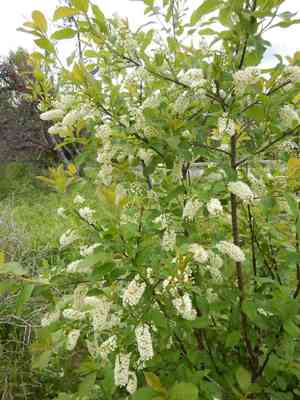
Prunus virginiana can be reproduced through dormant wood cuttings, air layering, and planting seeds during the fall and winter seasons. The ease of propagation is minimal, with indicators of successful reproduction being the emergence of roots and fresh shoots. Essential advice involves obtaining cuttings from robust, pathogen-free specimens and ensuring the cuttings remain hydrated and in a cool environment until they are planted.
Optimal Period for Propagating Common Chokecherry
Propagation Method
Cutting
Propagation Period
Autumn,Winter
Equipment Utilized in Common Chokecherry Propagation
Pruning Shears
Pruning shears are employed to obtain semi-hardwood cuttings from common chokecherry. With sharp, clean blades, they create precise cuts that minimize harm to the parent plant and the cutting, improving the likelihood of successful rooting.
Rooting Hormone
Rooting hormone aids in the formation of roots on common chokecherry cuttings. It boosts the propagation success rate by promoting faster root initiation and a more robust root system.
Sterilizing Agent
A sterilizing agent, such as isopropyl alcohol or a 10% bleach solution, is crucial for cleaning tools before and after use to prevent the spread of diseases to common chokecherry.
Potting Mix
A well-draining, nutrient-rich potting mix offers the ideal substrate for common chokecherry cuttings to establish roots. It should be loose and aerated to allow oxygen to reach the developing roots, which is vital for their growth.
Propagation Trays or Pots
Propagation trays or pots hold the potting mix and provide a stable environment for common chokecherry cuttings. They should have adequate drainage holes to prevent waterlogging.
Plastic Bags or a Propagation Dome
Plastic bags or a propagation dome create a humid environment around common chokecherry cuttings, maintaining moisture and warmth, which are important for encouraging root growth.
Labels
Labels are used to monitor and identify common chokecherry cuttings, especially when propagating multiple varieties. This helps maintain organization and proper care for each cutting.
How to Nurture Your Newly Propagated Common Chokecherry?
How to Nurture Your Newly Propagated Common Chokecherry?
Following propagation, common chokecherry requires careful observation and adjustment to its growing conditions. Water the new plants to keep the soil consistently moist but not overly wet to prevent root rot. Provide the young plants with partial to full sunlight, and mulch around the base to maintain moisture and temperature. Once established, common chokecherry can be fertilized lightly in spring with a balanced fertilizer designed for woody plants. Regular pruning will maintain the shape and encourage bushy growth, and a watchful eye for any pests or diseases is necessary to keep common chokecherry healthy.
Common Errors to Avoid When Propagating Common Chokecherry
Insufficient cleanliness
Failure to sterilize tools can introduce pathogens to common chokecherry cuttings, potentially leading to disease and poor propagation success.
Incorrect cutting technique
Making cuttings that are too short or with improper angles can limit the growth potential of common chokecherry, reducing the chance of successful rooting.
Poor medium choice
Using an unsuitable rooting medium for common chokecherry can impede root development by either holding too much moisture, leading to rot, or not enough, causing the cutting to dry out.
Overwatering
Excessive watering can cause root rot in common chokecherry cuttings, reducing the chance of survival.
Neglecting humidity
Ignoring the humidity requirements of common chokecherry can cause cuttings to desiccate and fail to root.
Advice For Propagating Common Chokecherry
Tool sterilization
Always use sterilized pruning tools when taking cuttings of common chokecherry to limit disease transmission and encourage healthy growth.
Cutting selection
Choose healthy, vigorous stems of common chokecherry for cuttings and make precise cuts to increase the chances of successful rooting and plant vigor.
Rooting medium
Select a well-draining yet moisture-retentive rooting medium that will support the rooting process of common chokecherry without causing waterlogging.
Water management
Keep the soil consistently moist but not waterlogged to promote successful root growth in common chokecherry without risking rot.
Humidity control
Maintain a high humidity environment for common chokecherry cuttings, such as using a humidity dome, to prevent desiccation and encourage root development.



