How to Propagate Flowering almond?
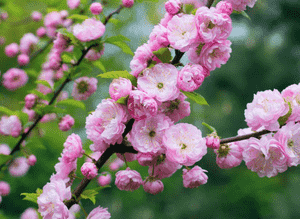
Flowering almond flourishes when reproduced via cutting and layering techniques, preferably in the Autumn and Winter seasons. While somewhat challenging, successful reproduction is indicated by emerging shoots and robust root formation. Guarantee adequate moisture and heat for peak outcomes.
Optimal Time for Flowering Almond Propagation
Propagation Method
Cuttings
Propagation Period
Fall,Winter
Tools for Flowering Almond Propagation
Sharp Pruning Shears
Crucial for obtaining clean, precise cuttings from flowering almond, sharp shears minimize harm to the parent plant and boost the chances of successful root formation. Disinfect them prior to use to prevent disease spread.
Rooting Hormone
This compound stimulates root growth on flowering almond cuttings, promoting quicker establishment and stronger root systems. Available in powder, liquid, or gel, specific application instructions vary by product.
Propagation Trays
These offer a structured environment for flowering almond cuttings to develop roots. Trays need adequate drainage and should be shallow enough to support cuttings without excessive moisture that could lead to rot.
Sterile Potting Mix
A sterile blend reduces the risk of pathogens affecting flowering almond's delicate root systems. A mix of perlite, vermiculite, and peat moss provides the ideal balance of aeration and moisture retention for cuttings.
Humidity Dome
Maintaining high humidity around flowering almond cuttings helps prevent moisture loss from leaves. A clear dome or plastic bag over the tray retains moisture, creating a mini-greenhouse effect.
Heating Mat
For flowering almond, consistent warm soil temperatures can accelerate root development. An optional heating mat, set to the correct temperature range beneath the propagation tray, can enhance rooting success.
Sanitizing Solution
Used to clean tools and trays, a sanitizing solution ensures a sterile propagation environment for flowering almond, significantly reducing disease risk.
Soft Ties or Plant Clips
Once flowering almond cuttings have rooted and are potted, these provide support for young plants as they grow, preventing damage and encouraging an upright growth habit.
Caring for Your Newly Propagated Flowering Almond
Caring for Your Newly Propagated Flowering Almond
After flowering almond cuttings have rooted (which may take several weeks), gradually acclimate the new plant to less humid conditions by removing the plastic cover or opening the propagator for longer periods daily. Once adapted, transfer it to a larger pot or its permanent outdoor spot in well-drained soil. Water regularly to keep the soil consistently moist but not waterlogged, and apply a balanced fertilizer during the growing season to encourage healthy growth in flowering almond. Pruning is recommended after blooming to maintain shape and promote bushiness.
Common Propagation Mistakes to Avoid for Flowering Almond
Overwatering cuttings
Excessively wet soil can cause rot in flowering almond cuttings, as this species requires well-draining soil, and overwatering can lead to reduced oxygen exchange and fungal infections.
Poor cutting selection
Flowering almond cuttings should be healthy and free from pests or diseases. Choosing weak or damaged cuttings can result in poor rooting and growth.
Using dull tools
Cutting flowering almond with dull tools can damage tissues, making it more susceptible to diseases and hindering successful root development.
Ignoring hygiene
Not sterilizing tools or using dirty pots can introduce pathogens to flowering almond, causing infections that might kill cuttings before they establish roots.
Tips for Propagating Flowering Almond
Semi-hardwood cuttings
Taking semi-hardwood cuttings from flowering almond for propagation is typically most successful, as this type of cutting has a balance of mature and new growth that can root effectively.
Rooting hormone
Applying rooting hormone to flowering almond cuttings can promote faster and more reliable root development.
Maintaining humidity
Keeping flowering almond cuttings in a humid environment is crucial to prevent desiccation before rooting occurs, but be wary of excessive moisture which can lead to rot.
Well-draining soil
Using a well-draining soil mix or a propagation medium helps flowering almond cuttings establish without the risk of waterlogging and root rot.



