How to Propagate Peachbush?
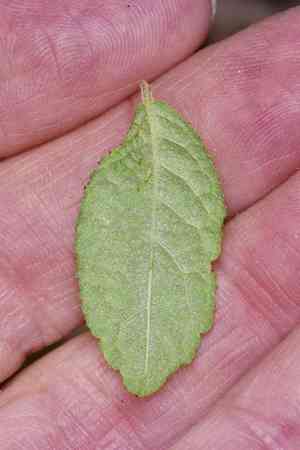
Belonging to the Rosaceae botanical group, peachbush is a robust shrub that flourishes in sandy substrates. For successful propagation, utilizing cuttings represents the most efficient approach. Choose vigorous stems, sever them directly beneath a node, and insert into a growing medium with good drainage. Provide moderate watering until the root system develops. Confirm the planting site receives abundant sunlight to encourage peak development. This plant requires minimal upkeep once mature, rendering it perfect for inexperienced horticulturists.
Optimal Time for Peachbush Propagation
Propagation Method
Cutting
Propagation Period
Autumn,Winter
Tools Required for Peachbush Propagation
Sterile Pruning Shears
These are crucial for obtaining healthy peachbush cuttings without introducing pathogens. Ensure blades are sharp and disinfected to make clean cuts and prevent harm to the parent plant and the cuttings.
Rooting Hormone Powder
Accelerates root formation by stimulating growth on peachbush cuttings. It enhances the likelihood of successful propagation by encouraging quicker and stronger root development.
Propagation Trays with Seed Starting Mix
Offers a stable and nourishing environment for peachbush cuttings to establish roots. The seed starting mix in the trays retains moisture while allowing proper air circulation.
Humidity Dome
Helps maintain elevated humidity levels around peachbush cuttings. This is vital as it minimizes water loss through transpiration while the cuttings are developing roots.
Heating Mat
Provides consistent warmth beneath the propagation trays, which benefits peachbush cuttings by accelerating root formation through maintaining a warm soil medium.
Misting Bottle
Used to keep the foliage of peachbush cuttings hydrated. Regular misting prevents dehydration and stress on the cuttings, ensuring better survival rates during the rooting phase.
Sharp Knife or Razor Blade
Useful for making precise cuts on peachbush cuttings, especially for smaller or delicate stems. These tools allow for more controlled and clean cuts compared to standard scissors.
Labeling Stakes
Essential for tracking different batches or varieties of peachbush during propagation. Proper labeling aids in organization and ensures accurate monitoring of each cutting's progress.
pH Meter
Measures the pH level of the soil or growing medium where peachbush cuttings are placed. Ensuring appropriate pH levels is important for nutrient absorption and overall health of the cuttings.
How to Propagate Peachbush?
Propagation Difficulty
Moderately Difficult
Caring for Your Newly Propagated Peachbush
Caring for Your Newly Propagated Peachbush?
Once peachbush exhibits new growth, gradually introduce it to lower humidity. Transfer the cuttings to individual pots containing a rich, well-draining soil mix. Place in a location receiving partial to full sunlight. Water consistently, allowing the soil to dry slightly between waterings, and check for pests or diseases. Fertilize sparingly with a balanced, slow-release fertilizer to support continued growth.
Common Errors to Avoid When Propagating Peachbush
Overwatering
Excessive watering can lead to root rot as peachbush does not thrive in overly moist conditions.
Improper Soil Use
Using soil that is too dense or lacks proper drainage can hinder root development for peachbush.
Insufficient Light
Failure to provide adequate sunlight can result in weak, elongated growth and diminish the plant's vitality.
Incorrect Cutting Technique
Using dull or unclean tools to take cuttings can damage plant tissue and introduce diseases.
Neglecting Acclimatization
Not gradually acclimating new plants to their environment can shock them, leading to poor growth or death.
Tips For Propagating Peachbush
Use Well-Draining Soil
Ensure the soil mixture drains well to prevent waterlogged conditions and encourage healthy root development.
Monitor Water Levels
Keep the soil moderately moist but not saturated, especially after taking cuttings or planting seeds.
Provide Adequate Light
Place peachbush in a location where it can receive ample sunlight, preferably full sun, to support robust growth.
Sterilize Tools
Always use sterilized, sharp tools when making cuttings to prevent the spread of diseases and ensure clean cuts.
Gradual Acclimatization
Gradually expose new plants to their intended environment to reduce transplant shock and promote successful establishment.



