How to Propagate Japanese cherry?
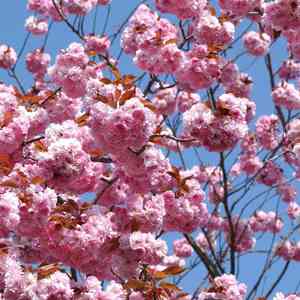
Effective propagation of Japanese cherry is achievable in the Autumn and Winter seasons through techniques like Hardwood cuttings, Air layering, and Seed sowing. The process presents a moderate challenge, with successful outcomes indicated by robust root formation and vigorous shoot development. To enhance the likelihood of success, it is advisable to maintain damp soil conditions and ensure sufficient exposure to sunlight.
Optimal Time for Japanese Cherry Propagation
Propagation Method
Cutting
Propagation Period
Autumn,Winter
Tools for Japanese Cherry Propagation
Pruning Shears
Pruning shears are vital for taking cuttings from japanese cherry. They ensure a clean, precise cut, crucial for preventing harm to the parent plant and maintaining the cutting's health. Sharp, sterile blades reduce infection risk and boost rooting success.
Rooting Hormone
A rooting hormone stimulates root development in japanese cherry cuttings. Dipping the cut end into the hormone promotes faster, more dependable root formation, especially beneficial for hardwood cuttings which typically root slower than softwood ones.
Potting Mix
A well-draining potting mix offers an ideal environment for japanese cherry cuttings to root. It should be light and airy to support good root growth and prevent moisture problems like rot, which can be detrimental to young cuttings.
Propagation Trays or Containers
Trays or containers are used to hold the potting mix and support japanese cherry cuttings as they root. Clear plastic trays with domes can create a greenhouse-like setting, maintaining high humidity and encouraging better, quicker rooting.
Heating Mats
Heating mats provide bottom warmth, which encourages root growth in japanese cherry cuttings. Consistent, gentle heat can significantly improve rooting success rates, particularly in cooler climates or during colder months when ambient temperatures may not be ideal for propagation.
Misting System or Spray Bottle
A misting system or spray bottle is used to maintain high humidity levels around japanese cherry cuttings. Consistent humidity prevents cuttings from drying out before they can establish roots, which is vital for their survival and growth.
Labels and Markers
Labels and markers are important for identifying and tracking japanese cherry cuttings, especially when propagating multiple varieties simultaneously. Accurate labeling ensures specific care needs for each variety are met and helps monitor their progress.
Caring for Your Newly Propagated Japanese Cherry
Caring for Your Newly Propagated Japanese Cherry
Once the japanese cherry cutting has developed roots, carefully transplant it into a larger pot or its permanent location. Water regularly to keep the soil moist but not waterlogged, and apply a balanced, slow-release fertilizer formulated for woody plants. Provide japanese cherry with full sun to partial shade and shield it from strong winds. Prune annually to maintain shape and encourage healthy branching. Monitor for pests and diseases, treating as needed to ensure japanese cherry thrives.
Common Mistakes to Avoid When Propagating Japanese Cherry
Neglecting root health
Ignoring the health of japanese cherry's roots during propagation can hinder growth or lead to failure. Healthy roots are crucial for successful establishment.
Improper cutting technique
Using incorrect cutting methods can harm japanese cherry's delicate branches, potentially introducing disease or inhibiting future growth.
Overwatering
Excessive watering of japanese cherry during propagation can cause root rot or fungal issues, as the species prefers well-drained conditions.
Insufficient hygiene
Failing to sterilize propagation tools can spread disease to japanese cherry cuttings, impeding healthy growth and risking infection.
Tips For Propagating Japanese Cherry
Use healthy parent plant
Choose a robust and disease-free parent japanese cherry to give the cuttings the best chance of successful propagation.
Take proper cuttings
Select semi-hardwood cuttings from japanese cherry that are the correct length and diameter, and make clean cuts to avoid harming the parent plant and cutting.
Provide adequate drainage
Ensure that japanese cherry's propagation medium drains well to promote healthy root development and prevent moisture-related diseases.
Sterilize equipment
Clean and sterilize all tools before cutting japanese cherry to minimize the risk of disease transmission and ensure a healthier propagation outcome.



