How to Propagate Tibetan cherry?
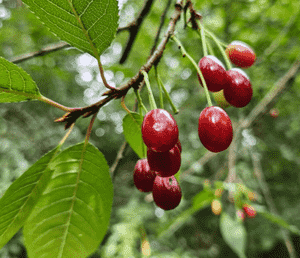
Prunus serrula flourishes when reproduced via cuttings. To achieve the best outcomes, choose robust, unblemished semi-hardwood branches. The perfect period for taking cuttings is either early spring or late summer, which guarantees strong root formation. Employ a rooting stimulant and place them in a potting blend that drains effectively, keeping it damp but not saturated. Sufficient diffused illumination encourages successful rooting and subsequent development.
Optimal Time for Tibetan Cherry Propagation
Propagation Method
Cutting
Propagation Period
Autumn,Winter
Tools for Tibetan Cherry Propagation
Sharp Pruning Shears
These are crucial for making clean, precise cuts on tibetan cherry, minimizing harm and encouraging better recovery. Sharp blades prevent jagged edges, which significantly lowers the risk of infection and stress to the parent plant.
Rooting Hormone
This chemical compound promotes root development from tibetan cherry cuttings. Applying rooting hormone to the cut end of a cutting can boost propagation success by fostering faster and stronger root growth, vital for new plant viability.
Sterilized Potting Mix
Utilizing a sterile, well-draining potting mix helps prevent disease and supports healthy root growth. For tibetan cherry, a mix that allows for good air circulation and drainage will support the initial delicate stages of root establishment.
Humidity Dome or Plastic Bags
These items help maintain a high humidity environment around new tibetan cherry cuttings, crucial for preventing them from drying out before roots form. Stable humidity levels assist in creating an ideal setting for root development.
Heating Mats
Especially useful when propagating in cooler climates, heating mats help maintain a consistent temperature, which is vital for tibetan cherry root development. Warmer soil temperatures can significantly enhance the growth rates of new roots from cuttings.
How to Propagate Tibetan Cherry?
Propagation Difficulty
Moderately Difficult
Caring for Newly Propagated Tibetan Cherry
Caring for Newly Propagated Tibetan Cherry
Following successful propagation, transfer the rooted tibetan cherry cuttings to individual pots filled with standard potting mix. Position them where they can receive ample sunlight, such as a south-facing window. Water the plants regularly, allowing the topsoil to dry slightly between waterings. Shield tibetan cherry from harsh winter temperatures by mulching around the base. Regular pruning after flowering will help maintain shape and promote the development of the characteristic glossy bark.
Common Errors to Avoid When Propagating Tibetan Cherry
Insufficient scarification
Tibetan cherry seeds may possess a tough outer shell that can hinder germination. Without scarification, which involves scratching or weakening the seed coat, seeds might fail to sprout, leading to a low propagation success rate.
Overwatering cuttings
Tibetan cherry cuttings are prone to rot when excessively moist. This error can lead to fungal growth and decay, often resulting in the death of the cutting before it can properly root.
Ignoring rootstock compatibility
When grafting tibetan cherry, using incompatible rootstock can result in a poor graft union and failure. This mistake disrupts nutrient flow to the graft and can impede the plant's proper growth.
Planting in poor soil
Tibetan cherry requires well-draining soil to thrive. Planting in compacted or waterlogged soil can cause root rot and other health issues, significantly reducing the chances of successful propagation.
Neglecting aftercare
After propagating tibetan cherry, overlooking post-propagation care, such as proper watering and pest protection, can lead to plant stress and mortality. Adequate aftercare ensures the plant establishes itself well.
Tips For Propagating Tibetan Cherry
Stratify seeds
To improve germination, expose tibetan cherry seeds to cold stratification. This process mimics natural winter conditions and helps break seed dormancy, increasing the likelihood of successful germination.
Use rooting hormone
Applying rooting hormone to tibetan cherry cuttings can stimulate root development. This boosts the success rate of cuttings taking root and becoming viable plants.
Select appropriate rootstock
Choose rootstock that is compatible with tibetan cherry when grafting. The correct rootstock ensures a strong graft union and contributes to the overall health and growth of the plant.
Prepare soil adequately
Ensure the soil for tibetan cherry is well-drained and fertile. Amending the planting area with compost can improve soil structure and provide the necessary nutrients for healthy growth.
Monitor and maintain environment
Post-propagation care for tibetan cherry involves maintaining a conducive environment. This means regulating moisture levels, providing adequate sunlight, and protecting it from extreme temperatures or pests while the new plant establishes.



