How to Propagate Black cherry?
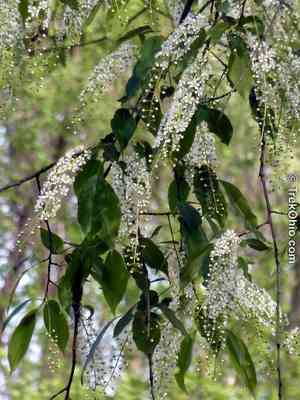
Black cherry is most effectively propagated via grafting or layering techniques in the spring and winter periods. While propagation can be difficult, the emergence of new shoots signifies successful establishment. Meticulous adherence to cleanliness and precise timing contributes to successful propagation.
Optimal Timing for Black Cherry Propagation
Propagation Method
Grafting
Propagation Period
Spring,Winter
Tools Required for Black Cherry Propagation
Grafting Knife
A grafting knife is vital for making precise incisions on both the scion and rootstock of black cherry. Clean cuts are essential for a successful graft union, as they improve the chances of callus formation and vascular cambium alignment. A sharp, double-beveled blade is particularly effective for creating smooth, straight cuts without harming plant tissues.
Grafting Tape or Rubber Bands
Grafting tape or rubber bands are used to secure the grafted sections of black cherry together. This supports the graft union during healing, maintaining necessary pressure and alignment while preventing pathogen entry. These materials are typically flexible, allowing for stem expansion as the plant grows, and often degrade over time, eliminating the need for removal.
Pruning Shears or Secateurs
Sharp pruning shears or secateurs are utilized to trim the rootstock of black cherry before grafting and to remove any undesirable growth post-grafting. Clean cuts help prevent disease and promote proper healing and development. Ergonomic and sharp blades offer ease of use and minimize plant damage.
Wound Sealing Compound
After the grafting process, applying a wound sealing compound protects the delicate tissues of black cherry from dehydration and infection. This fosters a better healing environment by maintaining appropriate moisture levels at the graft site and deterring pests and diseases.
Budding Strips
Budding strips may be employed during bud grafting, a specific type of grafting technique suitable for black cherry. These specialized strips assist in securely attaching the bud to the rootstock, ensuring close contact and enhancing the likelihood of a successful bud union.
Caring for Your Newly Propagated Black Cherry
Caring for Your Newly Propagated Black Cherry
Following successful grafting of black cherry, provide ample sunlight and well-draining soil to promote robust growth. Consistent watering is crucial during the initial growing season. Monitor for pests and diseases, and protect the graft union, especially in winter. As black cherry matures, regular pruning will maintain its form and improve air circulation, reducing the risk of fungal infections.
Common Errors to Avoid When Propagating Black Cherry
Ignoring softwood cuttings':
Gardeners frequently overlook the potential of softwood cuttings for propagating black cherry. This oversight can lead to missing opportunities for quicker and often more successful propagation.
Excessive watering of cuttings
Overwatering is a common mistake that results in root rot, creating an unsuitable environment for black cherry cuttings to develop strong roots.
Neglecting disease management
Failing to control diseases when propagating black cherry, particularly in cuttings and seedlings, can allow fungal and bacterial infections to destroy young plants.
Shallow seed planting
Black cherry seeds require adequate soil depth for optimal germination. Planting seeds too shallowly can lead to poor germination rates due to insufficient moisture or temperature regulation.
Skipping stratification
Neglecting the need for cold stratification is a critical error, as black cherry seeds require a period of cold to break dormancy and germinate effectively.
Advice for Propagating Black Cherry
Utilize softwood cuttings
Taking softwood cuttings under the right conditions can enhance root development, providing a faster and more efficient method for propagating black cherry.
Moderate watering
Maintaining balanced watering is essential. Black cherry cuttings need consistent moisture without being waterlogged to stimulate healthy root growth.
Disease prevention
Implement disease prevention practices, such as using sterilized tools and soil, to ensure that black cherry cuttings and seedlings remain healthy.
Proper seed depth
Plant black cherry seeds at the correct depth to ensure adequate conditions for germination, avoiding extremes of too shallow or too deep.
Cold stratification
Perform cold stratification of black cherry seeds before planting to break seed dormancy and encourage successful germination and growth.



