How to Propagate Chinese plum?
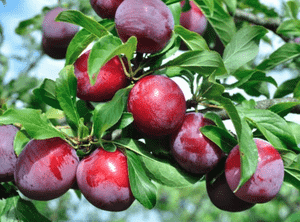
Originating in East Asia, chinese plum is frequently propagated via grafting, a method that guarantees offspring retain the advantageous characteristics of a progenitor tree. Specifically for chinese plum, grafting entails joining a scion from a thriving, established plant onto a sturdy rootstock. This practice guarantees strong development and consistent fruit yield. To achieve optimal outcomes, accurate incisions and sanitized tools are crucial to prevent illness and foster a successful bond.
What Is the Best Time To Propagate Chinese Plum?
Propagation Type
Grafting
Propagation Season
Spring,Winter
What Tools Are Used in Chinese Plum Propagation?
Grafting Knife
A sharp, precise grafting knife is vital for making clean cuts on the scion and rootstock of chinese plum. A cleaner cut improves the chances of successful cambium alignment, which is essential for the graft to take. A specialized grafting knife ensures smooth cuts, minimizing damage and enhancing the healing process.
Grafting Tape or Parafilm
This material is used to firmly wrap the graft union, maintaining the alignment of the scion and rootstock of chinese plum. It helps keep moisture at the graft site and prevents pathogen entry. The tape or parafilm should be flexible and water-resistant, providing a tight seal while allowing the graft to breathe as it mends.
Rooting Hormone (for rootstock preparation)
While mainly used for cuttings, applying a rooting hormone to the rootstock's base can boost the establishment and growth of new roots after grafting. This increases the overall vigor and survival rate of chinese plum following propagation.
Pruning Shears
These are used to trim the rootstock and scion of chinese plum before grafting. Pruning shears must be sharp and clean to make accurate cuts, reducing stress and harm to the plant. Proper pruning is crucial for preparing plant materials for grafting and enabling successful healing and growth post-grafting.
Disinfectant for Tools
Ensuring all tools are disinfected before use on chinese plum prevents the spread of diseases between plants. This is vital for maintaining the health and viability of chinese plum during and after the grafting process. A common disinfectant like alcohol or bleach solution can be utilized.
How to Propagate Chinese Plum?
Propagation Type
Moderately Difficult
How to Care for Your Newly Propagated Chinese Plum?
How to Care for Your Newly Propagated Chinese Plum?
After propagation, care for your newly grafted chinese plum by placing it in a spot with filtered sunlight and shielding it from harsh weather. Maintain consistent soil moisture without overwatering. As the graft heals and the scion starts to grow, gradually expose it to more sunlight. Remove any shoots emerging from the rootstock below the graft and check for disease or graft failure. Fertilize lightly during the growing season to encourage robust growth.
Common Mistakes to Avoid When Propagating Chinese Plum
Insufficient root preparation
Before propagating chinese plum, it's vital to prepare cuttings or grafts correctly. A common error is not making a clean, angled cut, which can lead to poor root development or disease entry.
Incorrect soil medium
Choosing the wrong soil medium is problematic for chinese plum propagation. The soil needs to be well-draining and fertile to encourage healthy root growth.
Overwatering
Excessive watering during propagation can lead to root rot in chinese plum, hindering its ability to establish a healthy root system.
Planting depth
Planting cuttings too deep or too shallow can prevent chinese plum from developing roots effectively, as it may either suffocate or lack sufficient anchorage.
Ignoring hygiene
Using dirty tools or pots can introduce pathogens to chinese plum cuttings or grafts, risking plant health. Cleanliness is paramount in propagation processes.
Tips For Propagating Chinese Plum
Sanitation
Always use sterilized tools and containers when handling chinese plum cuttings or grafts to prevent disease transmission.
Soil preparation
Prepare a soil mix specific to chinese plum, combining loam, peat, and sand to ensure good drainage and support root growth.
Moisture balance
Maintain a consistent moisture level in the soil to support the propagation of chinese plum without causing waterlogging, which could lead to root diseases.
Healing cuttings
Allow the cuttings of chinese plum to heal and callus for a few days after making the initial cut, and before planting, to improve root development.
Support
Provide adequate support for chinese plum cuttings to remain upright and stable, facilitating proper root formation and growth.



