How to Propagate Peach?
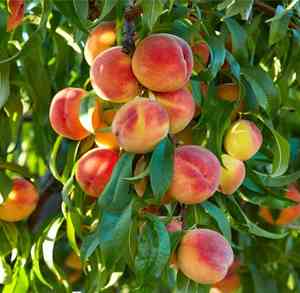
Peach trees are most effectively multiplied via grafting and layering techniques, preferably during the spring or winter seasons. While propagation demands a certain level of expertise, it is certainly attainable with persistent effort. The emergence of fresh shoots and robust root formation signifies successful propagation. For grafting to be fruitful, it is crucial to verify the compatibility between the rootstock and the scion.
What Is the Best Time To Propagate Peach?
Propagation Type
Grafting
Propagation Season
Spring,Winter
What Tools Are Used in Peach Propagation?
Grafting Knife
A specialized sharp and clean grafting knife is essential for making precise cuts on the scion and the rootstock of peach. This tool helps in ensuring a clean cut that is necessary for successful grafting, thereby improving the chances of the scion and rootstock fusing properly.
Grafting Tape
This flexible tape is used to hold the grafted scion and rootstock of peach securely together. It maintains the necessary pressure to promote adhesion while still allowing for some degree of movement as the graft heals. The tape is designed to gradually break down as the graft union strengthens.
Rooting Hormone
When propagating peach through cuttings, the application of rooting hormone encourages the development of new roots. It contains synthetic auxins that mimic the plant's natural root-promoting hormones, significantly enhancing the likelihood of successful cutting establishment.
Pruning Shears
Clean pruning shears are crucial for obtaining scion wood and trimming the rootstock of peach before grafting. They allow for clean and healthy cuts, reducing the risk of disease transmission and ensuring a better graft union.
Wax or Grafting Sealant
Used to cover the graft area to prevent desiccation and infection in the grafted peach plant. This protective layer preserves moisture and excludes air and pathogens, aiding in the healing process of the graft.
Budding Strips or Rubbers
These are specifically designed for bud grafting of peach, allowing the bud to be firmly yet gently attached to the rootstock. They provide the necessary support for the new graft without causing damage to the tender bud or inhibiting growth.
Plant Labels
Labels are essential for keeping track of the different varieties of peach during the grafting process. They help in maintaining records of the scion and rootstock combinations, which is important for future care and monitoring of the grafted plants.
How to Care for Your Newly Propagated Peach?
How to Care for Your Newly Propagated Peach?
After the graft has taken and new growth from the scion is observed, gradually expose the peach to its typical growing conditions. Water it deeply at regular intervals, considering the specific moisture needs of peach, and apply a balanced fertilizer to support healthy growth. Monitor regularly for pests and diseases, implementing control measures as needed. As the tree matures, prune it to encourage a strong, open branching structure for light penetration and air circulation.
Common Mistakes to Avoid When Propagating Peach
Ignoring rootstock compatibility
Using rootstocks that are not compatible with peach can lead to failure as the graft may not take, resulting in wasted effort and resources.
Inadequate scion selection
Choosing weak or diseased scions for grafting can prevent successful propagation, as the scions might not be viable or can introduce pathogens to the rootstock.
Over-watering cuttings
Providing too much water to cuttings of peach can cause root rot or fungal diseases, impeding root development and potentially killing the cutting.
Neglecting sanitation
Failing to use sterilized tools and equipment can introduce diseases to peach cuttings or grafts, negatively affecting the chances of successful propagation.
Tips For Propagating Peach
Select healthy scions
Ensuring scions are taken from disease-free, vigorous peach will improve the chances of a successful graft and robust future growth.
Consider rootstock vigor
Choosing the appropriate rootstock for the desired vigor of peach can influence the size and resilience of the propagated plant.
Proper aftercare for grafts
Maintaining optimal conditions, such as humidity and temperature, for grafted peach helps ensure the graft union heals properly and achieves a strong bond.
Monitor moisture levels
Keeping the soil around peach cuttings appropriately moist but not waterlogged supports healthy root development without the risk of rot or disease.



