How to Propagate Bird cherry?
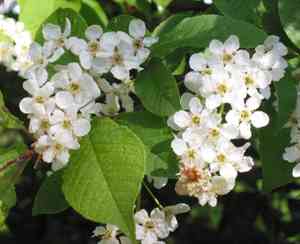
A visually pleasing decorative variety, bird cherry offers more than just aesthetic charm; it also thrives when propagated using particular techniques. To multiply bird cherry, employing cuttings is an effective approach, utilizing semi-lignified portions of the specimen. Meticulous selection of robust, pathogen-free stems and accurate incisions are essential. This guarantees superior root formation, which aids in the plant's vigor and expansion. Consistent observation of hydration levels and ambient factors can substantially boost successful outcomes, addressing bird cherry's specific requirements and fostering sturdy maturation.
Optimal Time for Bird Cherry Propagation
Propagation Method
Cutting
Propagation Period
Autumn,Winter
Tools for Bird Cherry Propagation
Sharp pruning shears
Crucial for making clean cuts on bird cherry, sharp pruning shears minimize damage to plant tissues, which improves the survival rate of cuttings. Clean cuts also help prevent disease entry, vital for healthy bird cherry propagation.
Rooting hormone powder
This substance is applied to the base of bird cherry cuttings to stimulate root growth. Rooting hormone increases the likelihood of successful rooting by encouraging faster root development, essential for new plants' stability and nutrient uptake. It is especially helpful in boosting the rooting process, which can be challenging for hardwood cuttings like bird cherry.
Sterilized potting mix
A high-quality, well-draining potting mix offers the ideal environment for new bird cherry roots to develop. The mix's sterility ensures no pathogens can harm the cuttings before they establish. This is crucial for preventing root rot and other soil-borne diseases that could hinder bird cherry's growth.
Humidity dome or plastic cover
Maintaining high humidity around bird cherry cuttings helps prevent them from drying out before roots form. This tool is vital for creating a mini-greenhouse effect, keeping the atmosphere moist and supporting the overall success of the rooting process.
Heat mat
Especially useful for providing consistent warmth needed for optimal root growth in bird cherry cuttings. The heat mat stimulates root development during colder seasons or in cooler climates, addressing the temperature-sensitive phase of early root formation in bird cherry.
How to Propagate Bird Cherry?
Propagation Type
Moderately Difficult
Caring for Your Newly Propagated Bird Cherry
Caring for Your Newly Propagated Bird Cherry
Once roots are established, slowly introduce bird cherry to drier conditions by removing the plastic cover periodically over several days. Transplant into a larger pot or directly outdoors if the last frost has passed, ensuring it's in well-drained soil in a spot with partial to full sunlight. Regular watering, especially during dry spells, and annual feeding with a balanced fertilizer will promote healthy growth and blooming.
Common Mistakes to Avoid When Propagating Bird Cherry
Inadequate Soil Preparation
Using soil with poor drainage can lead to waterlogged conditions, potentially causing root rot in bird cherry.
Cutting Improper Stem Parts
Propagating bird cherry from unsuitable parts like old, woody stems or very young, soft shoots may result in poor rooting success.
Ignoring Disease Prevention
Failing to use sterile tools or healthy parent plants can introduce pathogens, impacting the health of bird cherry.
Overwatering Cuttings
Excessive moisture around cuttings can encourage fungal growth and decay, hindering bird cherry's root development.
Neglecting Aftercare
After propagation, failing to provide bird cherry with proper care such as correct light levels or watering can reduce establishment rates.
Tips For Propagating Bird Cherry
Selecting Optimal Cuttings
For best results with bird cherry, use healthy, semi-hardwood cuttings from the current year's growth.
Soil Aeration and Drainage
Ensure the soil mix is well-draining and aerated to prevent waterlogging and promote healthy root growth in bird cherry.
Use of Rooting Hormones
Applying rooting hormones can encourage stronger and quicker root development in bird cherry cuttings.
Monitoring Humidity
Maintain a humid environment for cuttings without overwatering to support gradual root formation in bird cherry.
Gradual Acclimatization
Slowly acclimate rooted bird cherry to outdoor conditions to reduce transplant shock and improve survival rates.



