How to Propagate Almond?
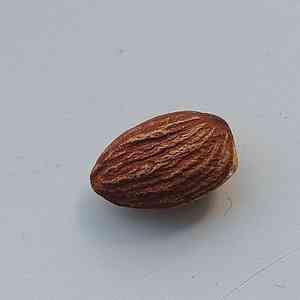
Crucial for orchards and home gardens, almond thrives when its reproduction is carefully managed. Cuttings taken from the stems of mature, vigorous trees offer an efficient technique. Potent rooting substrates improve initial growth, and sustaining uniform hydration is vital. Emphasizing these actionable measures will result in successful almond reproduction, eventually producing abundant yields of wholesome nuts.
Optimal Period for Almond Propagation
Propagation Method
Cutting
Propagation Period
Autumn,Winter
Tools Required for Almond Propagation
Sharp Pruning Shears
Designed for clean, precise cuts, sharp pruning shears are crucial for preparing almond cuttings. Their keen blades minimize tissue damage, which is vital for encouraging effective rooting and reducing infection risk. Clean cuts from these shears help maintain the mother plant's health and improve cutting survival rates.
Rooting Hormone
This chemical compound speeds up root development from almond cuttings. Applying rooting hormone to the fresh cut base significantly boosts the likelihood of successful root formation. The hormone stimulates root tissue growth, helping the cutting establish faster and more efficiently, especially beneficial for almond's specific rooting needs.
Sterilized Potting Mix
A sterile potting mix offers a clean, controlled environment for almond cuttings to root. This medium is free of pathogens and weed seeds, lowering the risk of diseases affecting vulnerable cuttings. The mix should drain well yet retain enough moisture to support root growth without becoming waterlogged, crucial for almond's delicate initial propagation stages.
Humidity Dome or Plastic Cover
Maintaining high humidity is essential for successful almond cutting rooting. A humidity dome or plastic cover over the propagation area prevents excessive moisture loss from cuttings, ensuring they don't dry out before roots form. This tool is vital for creating an optimal microclimate that supports the survival and growth of new almond plants.
Heating Mat
Consistent, gentle bottom heat from a heating mat can significantly enhance almond cutting rooting success, especially in cooler conditions. The heat promotes active root growth without overheating cuttings, creating an ideal growing environment that boosts the overall propagation success rate of almond.
Almond Propagation Difficulty
Propagation Type
Moderately Difficult
Post-Propagation Care for Almond
Post-Propagation Care for Almond
Once almond cuttings have rooted and new growth appears, gradually acclimate them to lower humidity by slightly opening the plastic cover daily for a week. After establishment, transplant into larger pots or their permanent location. Ensure young plants receive regular watering and protection from extreme temperatures. As almond thrives in well-drained sandy loam, amending the soil with organic matter will support healthy growth. Regular pruning is essential for a robust structure and future fruit production.
Common Errors to Avoid During Almond Propagation
Overwatering
Excessive moisture can cause root rot in almond, leading to poor root development and potentially killing young plants.
Using Non-Sterile Tools
Propagating almond with unsterilized cutting tools can introduce diseases, hindering plant growth or causing plant death.
Ignoring Rootstock Quality
Poor or incompatible rootstock can result in low graft success and inferior almond growth.
Choosing Weak Scions
Selecting scion wood that is not healthy or vigorous can lead to unsuccessful grafts or weak plants.
Planting at Incorrect Depth
Placing almond grafts too deep or too shallow can impact stability and nutrient uptake, negatively affecting plant health.
Almond Propagation Advice
Moisture Management
Balance moisture and drainage to support root health without waterlogging for almond.
Sterilize Equipment
Ensure all cutting and grafting tools are sterile to prevent disease transmission during almond propagation.
Select Quality Rootstock
Choose disease-resistant and compatible rootstock to improve graft success rates and overall vigor of almond.
Optimal Scion Selection
Use only healthy and vigorous scions for grafting to increase the chances of successful propagation for almond.
Proper Planting Technique
Plant almond grafts at the correct depth to ensure the scion and rootstock are well-joined and stable.



