How to Propagate David's peach?
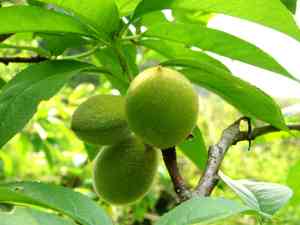
David's peach, a prominent species within the Rosaceae family, flourishes when reproduced via cuttings. For peak development, choose robust, semi-lignified stems. Cuttings ought to be collected during periods of vigorous growth, with their ends immersed in a rooting compound to stimulate root formation. Insert these into a well-aerated, rich growing medium, preserving elevated humidity and steady dampness without saturation. Sufficient protection from direct solar exposure assists in effective rooting and early establishment.
Optimal Time for David's Peach Propagation
Propagation Method
Cutting
Propagation Period
Autumn,Winter
Tools Required for David's Peach Propagation
Sharp Pruning Shears
These are crucial for obtaining clean, precise cuttings from david's peach. A sharp blade ensures smooth, uncrushed cut surfaces, vital for successful healing and rooting. Clean cuts help prevent pathogen introduction, which could cause disease in fresh cuttings.
Rooting Hormone
This chemical compound stimulates root development from david's peach cuttings. Applying rooting hormone to the cut end enhances the likelihood of successful root formation, essential for david's peach to establish as a new plant. The hormone accelerates rooting, potentially boosting overall propagation success.
Sterile Potting Mix
A pathogen-free sterile potting mix offers an ideal environment for rooting david's peach cuttings. This medium supports cuttings by retaining necessary moisture and air, crucial for root formation and growth, while minimizing the risk of soil-borne diseases that could negatively impact the rooting process.
Humidity Dome
Placing david's peach cuttings under a humidity dome helps maintain high humidity levels around them, preventing dehydration before roots develop. This tool is especially important in low ambient humidity environments, as it creates a microenvironment conducive to root development.
Heat Mat
A heat mat provides consistent bottom warmth, which is beneficial for encouraging root growth in david's peach cuttings. Warm soil temperatures can significantly improve rooting efficiency and speed, crucial during cooler months or in colder climates where david's peach is propagated.
How to Propagate David's Peach?
Propagation Difficulty
Moderately Difficult
Post-Propagation Care for David's Peach
How to Care for Your Newly Propagated David's Peach?
After successful rooting, which may take several weeks, gradually acclimate david's peach to lower humidity by occasionally removing the plastic cover. Once the cutting shows signs of new growth, transplant it into a larger pot with well-draining soil. Provide consistent moisture, and feed with a balanced liquid fertilizer every few weeks during the growing season. Ensure david's peach receives partial to full sunlight and protection from extreme temperatures.
Common Errors to Avoid When Propagating David's Peach
Improper Soil Mix
Using soil that is too dense or lacks proper drainage can lead to root rot and other fungal problems.
Incorrect Watering
Both overwatering and underwatering can be harmful. Excessive watering can cause root rot, while insufficient watering can dehydrate and stress the plant.
Lack of Patience
Failing to allow sufficient time for cuttings to root or seeds to sprout often results in avoidable losses.
Ignoring Pest Control
Neglecting to monitor for pests can lead to infestations that hinder growth and ruin propagation efforts.
Incorrect Cutting Methods
Poor cutting techniques or using dull tools can damage plant tissue, making it harder for the plant to root.
Advice for Propagating David's Peach
Well-Draining Soil
Utilize a light, well-draining soil mix to prevent water from accumulating around the roots and causing rot.
Moderate Watering
Ensure the soil remains moist but not waterlogged. Bottom watering can help maintain consistent moisture levels.
Use of Rooting Hormone
Applying rooting hormone to cuttings can improve the chances of successful root development.
Sterile Tools
Always use sterile, sharp tools for clean cuts, which helps prevent disease and promotes faster rooting.
Pest Monitoring
Regularly check for and promptly address any signs of pests to maintain healthy growth.



