How to Propagate Carolina cherry laurel?
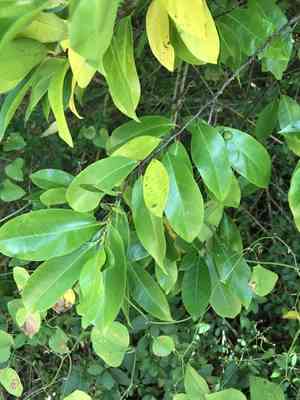
Carolina cherry laurel is most effectively multiplied in the springtime via cuttings or air layering. This particular plant presents a moderate challenge for propagation, with indicators of success being the emergence of new foliage. Guarantee sufficient moisture levels for enhanced root growth.
When Is the Optimal Time to Propagate Carolina Cherry Laurel?
Propagation Method
Cutting
Propagation Period
Fall,Winter
What Implements Are Utilized in Carolina Cherry Laurel Propagation?
Sharp Pruning Shears
Pruning shears are crucial for obtaining healthy, precise cuttings from carolina cherry laurel. Sharp blades ensure a clean cut, minimizing harm to the parent plant and boosting the likelihood of successful rooting. They are especially beneficial for carolina cherry laurel as a clean cut helps prevent infection and promotes rapid healing.
Rooting Hormone
A rooting hormone encourages root development in carolina cherry laurel cuttings and improves the chances of successful propagation. This hormone typically contains auxins, which stimulate root cell formation and can significantly aid the establishment of new plants from cuttings.
Sterile Potting Mix
Sterile potting mix is essential for carolina cherry laurel cuttings to prevent the introduction of disease-causing pathogens. A well-draining mix offers the necessary support and aeration for developing roots, which is key to healthy growth and reduces the risk of root rot.
Propagation Trays or Pots
Propagation trays or pots offer a suitable environment for carolina cherry laurel cuttings to establish roots. They should have adequate drainage and be appropriately sized to support initial growth without being excessively large, which can lead to surplus moisture and potential fungal issues.
Plastic Dome or Humidity Chamber
Maintaining high humidity is important for carolina cherry laurel cuttings to prevent water loss through the leaves before roots have formed. A plastic dome or humidity chamber helps maintain the necessary humidity levels, thereby promoting better survival rates during the critical initial rooting period.
Heating Mat (Optional)
A heating mat can provide gentle bottom warmth, which may enhance root development in carolina cherry laurel cuttings, particularly in cooler environments. Consistent warmth can encourage faster root growth, increasing the speed at which the cuttings become viable plants.
Watering Can with a Fine Rose
Proper watering is necessary to keep the potting mix moist but not waterlogged. A watering can with a fine rose attachment allows for gentle, controlled watering of carolina cherry laurel cuttings, minimizing disturbance of the developing roots and preventing soil compaction.
Clean Workspace and Disinfectants
A clean workspace is fundamental for hygiene during the propagation process. Using disinfectants to clean tools and surfaces ensures that carolina cherry laurel cuttings are not exposed to harmful bacteria or fungi that could compromise their development.
How to Care for Your Newly Propagated Carolina Cherry Laurel?
How to Care for Your Newly Propagated Carolina Cherry Laurel?
Following propagation, position the carolina cherry laurel cutting in a spot with indirect sunlight where it can stay warm and avoid drying out. Monitor moisture levels regularly, ensuring the soil remains consistently moist but not saturated. Gradually acclimate the new plant to less humid conditions by removing its plastic covering for increasing durations over a week before planting it in its permanent location. Ensure the soil at the permanent site is well-draining with moderate fertility. Maintain regular watering and apply mulch to conserve moisture. Once established, prune carolina cherry laurel annually to maintain the desired shape and size.
Common Errors to Avoid When Propagating Carolina Cherry Laurel
Insufficient hydration
Failure to maintain consistent moisture when rooting cuttings can lead to dehydration and poor root development, which is crucial for carolina cherry laurel's successful propagation.
Over-watering
While cuttings require moisture, excessive water can cause rotting. This surplus moisture can create an environment conducive to fungal infections, harming the cuttings of carolina cherry laurel.
Neglecting humidity levels
Ignoring the importance of humidity can cause carolina cherry laurel's cuttings to dry out. Cuttings of carolina cherry laurel often require a humid environment to prevent desiccation before they establish roots.
Cutting size
Using cuttings that are too large or too small can impact rooting efficiency. Cuttings that are too large may struggle to sustain themselves, while very small ones might not contain sufficient energy reserves.
Ignoring disease prevention
Not sterilizing tools or using disease-free donor plants can introduce pathogens to new cuttings, significantly reducing carolina cherry laurel's propagation success.
Advice For Propagating Carolina Cherry Laurel
Semi-hardwood cuttings
Selecting the correct type of cutting is vital. Semi-hardwood cuttings, taken in late summer from new growth that has begun to harden, are typically the most successful for carolina cherry laurel.
Rooting hormone
Applying a rooting hormone to the base of the cutting can enhance root development and increase the chance of successful propagation for carolina cherry laurel.
Appropriate substrate
Using a well-draining, sterile potting mix helps ensure that carolina cherry laurel's cuttings have the best chance of rooting without succumbing to rot or disease.
Controlled environment
Maintaining a controlled environment with consistent temperature and indirect light can create ideal conditions for carolina cherry laurel's cuttings to thrive and establish roots.
Gentle handling
Ensuring that the cuttings of carolina cherry laurel are handled gently to avoid damage can improve the likelihood of successful root and plant development.



