How to Propagate Sweet cherry?
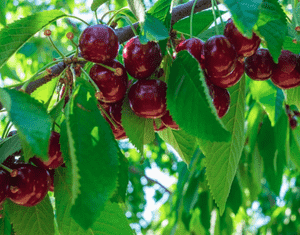
The most effective methods for propagating sweet cherry are grafting or layering, performed in either spring or winter. This procedure presents a moderate challenge, with the emergence of new shoots indicating successful propagation. Choosing the appropriate rootstock and diligently caring for the graft wound are crucial for successful grafting.
Optimal Period for Sweet Cherry Propagation
Propagation Method
Grafting
Propagation Period
Spring,Winter
Tools Required for Sweet Cherry Propagation
Grafting Knife
A keen grafting blade is vital for making precise incisions on the scion and rootstock of sweet cherry. This instrument facilitates clean cuts essential for successful grafting, ensuring close contact between the vascular tissues of the joined parts.
Pruning Shears
Utilized for trimming and preparing both the scion wood and the rootstock prior to grafting. Ensure the shears are sterilized to prevent disease transmission to sweet cherry.
Grafting Tape
Once the scion is affixed to the rootstock, grafting tape is employed to secure the union and maintain moisture. It is stretchable and self-adhesive, properties crucial for accommodating the growth of sweet cherry without constriction.
Budding Strips
For bud grafting techniques, budding strips offer a gentler method to hold the bud in position. They must be pliable and easy to tie, ensuring they do not harm the delicate bud of sweet cherry.
Grafting Wax
Applied to the grafting site to seal all cuts, grafting wax helps prevent dehydration and infections, which can significantly impact the success rate of sweet cherry grafts.
Rooting Hormone
While not always necessary, a rooting hormone can be applied to the rootstock to stimulate root development and improve the chances of successful grafting.
Labeling Tags
Used to identify the grafted plants, ensuring accurate tracking of sweet cherry varieties and grafting dates, which is crucial for monitoring the progress and success of the grafts.
Post-Propagation Care for Your Sweet Cherry
Post-Propagation Care for Your Sweet Cherry
Sweet cherry demands proper care after propagation to ensure thriving growth and fruit production. Provide ample sunlight exposure and well-drained soil. Irrigate the young plant regularly, keeping the soil damp but not saturated. Prune annually to maintain a robust structure and promote air circulation. Implement a fertilization regimen suitable for fruit-bearing trees, and monitor for signs of pests and diseases. Adequate care will ensure that sweet cherry flourishes in its environment and yields quality fruit.
Common Errors to Avoid When Propagating Sweet Cherry
Ignoring rootstock compatibility
When propagating sweet cherry via grafting, a frequent error is using incompatible rootstock, which can result in poor growth or graft rejection. The choice of rootstock influences disease resistance, size control, and adaptability to soil conditions.
Improper cutting techniques
Gardeners might take cuttings incorrectly, such as using dull tools or cutting at the wrong angle, which can damage tissues, leading to poor rooting or infection.
Neglecting aftercare for grafts or cuttings
Insufficient aftercare, including appropriate humidity and temperature, can cause sweet cherry grafts or cuttings to fail to establish, resulting in the loss of plant material.
Overwatering propagated material
Excessive watering can lead to root rot in sweet cherry cuttings, which can be detrimental as it hinders root development and can kill the young plant.
Advice for Propagating Sweet Cherry
Use disease-free scion and rootstock
For successful grafting, ensure that both the scion and rootstock are healthy and free of diseases. This will promote a healthy union and development of sweet cherry.
Sharp and clean tools
Using sharp and sanitized tools for taking cuttings or grafting will ensure clean cuts that heal quickly and reduce the risk of transmitting diseases to sweet cherry.
Maintain proper humidity and temperature
Create a controlled environment that maintains high humidity and appropriate temperature that will encourage rooting and graft union without promoting fungal growth.
Moderate watering
Providing the right amount of water will help the sweet cherry cuttings develop roots effectively. Water enough to keep the soil moist but not waterlogged to prevent root rot.



