How to Propagate Apricot?
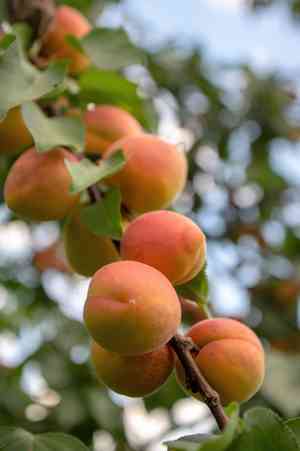
Apricot reproduction is predominantly achieved via grafting or layering during the spring or winter seasons. Its propagation is deemed moderately challenging. Indicators of success encompass new shoot emergence and root formation. Utilize robust rootstock to maximize successful outcomes.
Optimal Period for Apricot Propagation
Propagation Method
Grafting
Propagation Period
Spring,Winter
Tools Required for Apricot Propagation
Grafting Knife
A sharp, specialized grafting knife is crucial for making precise cuts on apricot scion and rootstock. Its thin, keen blade ensures clean incisions that heal quickly and join effectively, vital for the successful fusion of grafted parts.
Pruning Shears
Bypass pruning shears are utilized to trim the apricot rootstock to the appropriate size before grafting. They provide a smooth, clean cut essential for proper healing and graft establishment.
Grafting Tape
Grafting tape is employed to securely hold the apricot scion and rootstock together as they unite. It must offer adequate support and maintain humidity around the graft joint without restricting plant growth.
Rooting Hormone
While typically used for cuttings, rooting hormone can also be beneficial when grafting apricot, specifically on the rootstock to encourage faster, more reliable tissue healing and union at the graft site.
Grafting Wax
After the apricot scion is grafted onto the rootstock, grafting wax can be applied to the wound to prevent desiccation and infection, thereby increasing the success rate of the graft taking.
Label and Marker
Labels and permanent markers are used to tag grafted apricot plants with relevant information such as the date of the graft, rootstock, and scion varieties. This aids in organizing and monitoring grafting success.
Disinfectant
A disinfectant, such as alcohol or bleach solution, is necessary for sterilizing grafting tools before use on apricot to prevent the spread of diseases between plants during the grafting process.
Post-Propagation Care for Apricot
Post-Propagation Care for Apricot
After propagating apricot through grafting, it's important to provide the new graft with a stable environment for healing and establishment. Keep the plant in an area sheltered from extreme weather and direct sunlight until the graft heals. Maintain consistent soil moisture, but avoid waterlogging. Monitor the graft site for signs of disease or failure, and remove any growth from the rootstock below the graft point. As the graft heals and grows, provide the plant with adequate space, sunlight, and nutrients tailored to apricot's needs to promote healthy development.
Common Errors to Avoid When Propagating Apricot
Ignoring rootstock compatibility
Using incompatible rootstock for grafting apricot may lead to poor union or failure to thrive. Compatibility is crucial for nutrient flow and seamless plant growth.
Neglecting plant health
Choosing a sick or weak specimen for propagation can hinder or doom success, as propagated plants might inherit health issues or fail to root.
Overwatering cuttings
Overwatering can cause apricot cuttings to rot, preventing successful rooting. Excessive moisture creates an environment prone to fungal growth and decay.
Planting at the wrong depth
Placing apricot seeds or grafts either too shallow or too deep in the soil can impede germination or proper establishment, leading to poor plant development or non-viable plants.
Advice for Propagating Apricot
Choosing healthy scion wood
Selecting healthy, disease-free scion wood from a vigorous apricot ensures better grafting outcomes and plant health, providing the best chance for successful propagation.
Controlling moisture levels
Maintaining consistent and appropriate moisture levels is vital when caring for apricot cuttings; this promotes healthy root development without risking rot.
Proper grafting techniques
Using correct grafting techniques and ensuring a clean cut will result in a stronger union between the scion and rootstock of apricot, increasing the propagation success rate.
Using rooting hormones
Applying rooting hormones to apricot cuttings can stimulate root growth and enhance the overall success of the propagation process.



