How to Propagate American plum?
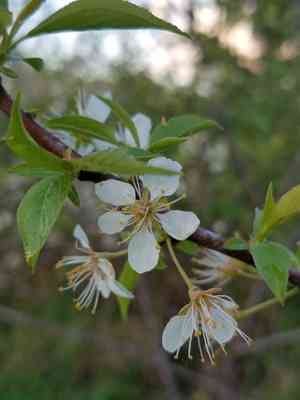
The most effective methods for propagating American plum are grafting and layering, performed in the spring and winter seasons. This process is not excessively difficult, as robust plants yield new shoots and vigorous foliage. Sufficient hydration and rootstocks that resist disease are crucial for successful propagation outcomes.
Optimal Time for American Plum Propagation
Propagation Method
Grafting
Propagation Period
Spring,Winter
Tools for American Plum Propagation
Grafting knife
A specialized grafting knife is crucial for making precise cuts on american plum scions and rootstocks. Its sharp, thin blade allows for clean cuts, minimizing plant tissue damage and increasing the likelihood of a successful graft union.
Grafting tape
This flexible tape securely holds the scion and rootstock together during healing. For american plum, grafting tape is important as it must accommodate stem thickness and withstand outdoor elements throughout the healing process.
Rooting hormone
While not always essential for grafting, a rooting hormone can aid in promoting stronger root development in american plum cuttings used as rootstocks. It contains synthetic auxins that stimulate root cell division and growth.
Pruning shears
To obtain scion wood or prepare rootstocks, clean and sharp pruning shears are necessary. They ensure a healthy cut on american plum without crushing or tearing plant tissues, which is vital for grafting success.
Grafting wax
Used to seal the graft union and prevent dehydration. For american plum, protecting the delicate graft site from air and pathogens is crucial, especially since this species is exposed to varying outdoor conditions.
Labeling materials
Durable labels and markers are used to identify the graft type and date performed. This is particularly useful for american plum when tracking the success rate of different grafting techniques or varieties.
Caring for Newly Propagated American Plum
Caring for Newly Propagated American Plum
After propagation, maintain consistent watering for american plum, ensuring the soil remains moist but not waterlogged, as this species requires well-drained soil. Provide a balanced fertilizer during the active growing season. Shield the graft site from extreme weather and direct sunlight to prevent scorching. As new growth appears, remove any suckers or shoots growing from the rootstock to direct energy into the scion's growth. Prune american plum annually to maintain its shape and support a strong structure for fruit production.
Common Errors to Avoid When Propagating American Plum
Inadequate rooting medium preparation
Failing to properly prepare the rooting medium can result in poor root development in american plum cuttings. This plant requires a well-draining mixture that can retain sufficient moisture without becoming waterlogged.
Cutting placement depth
Inserting american plum cuttings too deeply or not deep enough into the rooting medium may hinder adequate root formation. Cuttings need to be placed at the correct depth to ensure support and access to moisture.
Over watering cuttings
Excessive watering can lead to rot in american plum cuttings. While they need consistent moisture to root, too much water deprives roots of oxygen and encourages fungal growth.
Neglecting aftercare
Failing to provide proper aftercare, including acclimatization to outdoor conditions, can cause shock and mortality in newly propagated american plum plants, which are more vulnerable during this stage.
Advice for Propagating American Plum
Choose healthy parent plant
Select a robust, disease-free american plum for taking cuttings. Healthy parent material establishes the foundation for successful propagation and growth.
Utilize sharp tools
Ensuring that cutting tools are sharp and clean when taking american plum cuttings prevents tissue damage and disease transmission.
Maintain humidity
Maintaining high humidity around american plum cuttings will help prevent water loss and desiccation while they establish roots.
Appropriate fertilization
Applying a balanced, water-soluble fertilizer at the correct stages can promote healthy root and shoot growth without overwhelming the still-developing american plum cuttings.



