How to Propagate Canistel?
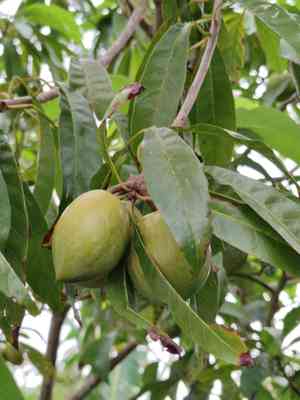
Canistel is highly amenable to propagation via grafting, a technique that fosters increased fruit yield and preserves the desired traits of the source plant. Individuals aiming to propagate canistel must verify that the rootstock is robust and thriving to adequately support the grafted scion. Consistent observation and appropriate post-grafting attention improve the success rate, resulting in vigorous canistel development.
What Is the Best Time To Propagate Canistel?
Propagation Type
Grafting
Propagation Season
Spring,Winter
What Tools Are Used in Canistel Propagation?
Grafting Knife
A sharp, sturdy grafting knife is vital for making precise cuts on the scion and rootstock of canistel. Clean cuts from this tool help ensure a successful union, minimizing damage and maximizing contact for better adhesion and growth.
Grafting Tape
This material is used to firmly wrap and secure the graft union. Grafting tape shields the delicate areas of canistel from exposure and drying out, holding the scion in place until the graft takes, thus ensuring the stability of the new graft.
Rootstock and Scion Material
Choosing healthy, disease-free rootstock and scion is essential for canistel propagation. The rootstock provides the supporting base and root system, while the scion contributes the desired cultivar traits. Material quality directly impacts grafting success.
Pruning Shears
These are utilized for preparing the rootstock and scion materials. Pruning shears aid in making clean, accurate cuts, ensuring optimal preparation of plant materials for grafting. Sharp, well-maintained shears prevent bruising or tearing, which could hinder canistel grafting success.
Disinfectants (e.g., Rubbing Alcohol or Bleach Solution)
Sanitizing all tools and materials helps prevent disease introduction to canistel during grafting. Disinfectants sterilize cutting tools before and after use to maintain a healthy propagation environment.
How to Propagate Canistel?
Propagation Type
Moderately Difficult
How to Care for Your Newly Propagated Canistel?
How to Care for Your Newly Propagated Canistel?
After successful grafting and initial establishment, gradually introduce canistel to more sunlight. Regularly check soil moisture, keeping it moderately moist but not waterlogged. Apply a balanced, slow-release fertilizer every few months to support robust growth. Monitor for pests and diseases, treating as needed to maintain a healthy plant.
Common Mistakes to Avoid When Propagating Canistel
Using seeds from underripe fruit
If seeds from immature canistel fruits are used for propagation, they may not germinate properly. This is because undeveloped seeds lack the necessary resilience and vital compounds for sprouting.
Overwatering cuttings
Excessive watering of canistel cuttings can lead to fungal infections or root rot, reducing successful rooting. Balanced moisture is crucial for root development.
Neglecting pest control
Ignoring pest control allows pests to weaken young canistel plants by adding stress or transmitting diseases, which can impede growth and propagation.
Inadequate soil preparation
Using poorly prepared soil for propagating canistel can hinder root development and reduce nutrient availability, key factors for successful plant establishment and growth.
Tips For Propagating Canistel
Select fully ripe fruit for seeds
Choose fully mature fruits from canistel for seed harvesting as ripe seeds have a higher germination rate and are more robust, enhancing propagation success.
Provide sufficient drainage
Ensure canistel cuttings and seedbeds have adequate drainage to prevent waterlogging. This helps protect developing roots from rot and promotes a healthier growth environment.
Use rooting hormones
Applying rooting hormones to canistel cuttings can significantly improve rooting success. These hormones encourage root tissue growth, making the propagation process more efficient and effective.
Regular pest and disease inspection
Frequent inspections for pests and diseases are vital for maintaining canistel health during its delicate propagation phase. Early detection and treatment can prevent potential outbreaks that could impair plant growth.



