How to Propagate Elephant bush?
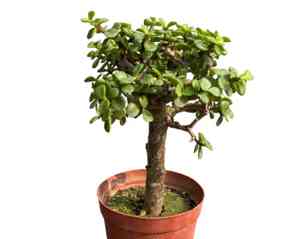
Portulacaria afra can be multiplied via soft stem sections throughout the spring and summer periods. This method of reproduction is quite straightforward, and successful establishment is indicated by the emergence of fresh roots and leaves. Employing a rooting stimulant is advisable, and maintaining the cuttings in a warm, moist setting will yield the best outcomes.
Optimal Period for Elephant Bush Propagation
Propagation Method
Cutting
Propagation Period
Spring, Summer
Essential Tools for Elephant Bush Propagation
Sharp pruning shears or scissors
These are crucial for obtaining clean and precise cuttings from elephant bush. A keen blade ensures a neat cut that heals quickly and minimizes the risk of infection. Furthermore, a smooth cut surface promotes better rooting and reduces harm to the parent plant.
Rooting hormone powder or gel
This aids in stimulating root development from the severed ends of elephant bush cuttings. It contains auxins that foster the creation of new root cells. Correct application of rooting hormone can significantly boost the success rate of cuttings taking root.
Succulent or cactus potting mix
When propagating elephant bush via cuttings, it is essential to plant them in well-draining soil to prevent decay. A potting mix specifically designed for succulents and cacti provides the ideal balance of organic and mineral components to support new root growth without retaining excessive moisture.
Clean pots or propagation trays
These are utilized for planting elephant bush cuttings after they have been treated with rooting hormone. Pots should feature adequate drainage holes to allow surplus water to escape, and should be sanitized to minimize the danger of introducing pathogens to the cuttings.
Plastic bags or propagation domes
To maintain a moist environment around elephant bush cuttings during root formation, a plastic bag or propagation dome can be placed over the pot. This elevates the humidity level surrounding the plant material, which can help prevent the cuttings from dehydrating before they establish roots.
How to Propagate Elephant Bush?
Propagation Method
Cutting
Difficulty Level
Easy
How to Nurture Your Newly Propagated Elephant Bush?
How to Nurture Your Newly Propagated Elephant Bush?
After successfully propagating elephant bush, continue to care for the young plants by providing conditions similar to those of mature specimens. This involves placing them in bright, indirect light, allowing the soil to dry out between waterings, and utilizing a well-draining potting mix. Avoid excessive watering as this can lead to root rot. Supplement with a diluted cactus fertilizer during the active growth period for additional nutrients. Maintain the plants in a stable environment, shielding them from extreme temperatures. With proper attention, elephant bush will flourish and develop into healthy, mature plants.
Common Errors to Avoid When Propagating Elephant Bush
Overwatering cuttings
Excessive watering of elephant bush cuttings can lead to rot, as the stems are particularly vulnerable to waterlogged conditions before they have developed roots.
Using unclean tools
Unsanitized cutting implements can introduce diseases to elephant bush, which could impede proper rooting or even kill the cuttings.
Taking cuttings from unhealthy plants
Cuttings from ailing elephant bush specimens are unlikely to root well and may transmit diseases or pests to the new plants.
Planting cuttings too deep
Inserting elephant bush cuttings too far into the soil can cause stem rot before they have a chance to root, as the buried portion can retain too much moisture.
Ignoring callusing
Not allowing elephant bush cuttings to form a callus before planting can heighten the risk of rot, as the fresh cuts are more susceptible to infection and excessive moisture absorption.
Tips For Propagating Elephant Bush
Proper hydration before cutting
Ensure that elephant bush is adequately hydrated before taking cuttings, as this can enhance the chances of successful rooting.
Use of sharp, sterile tools
Cut elephant bush with sharp, sanitized tools to prevent disease transmission and to make clean cuts that heal more quickly.
Careful handling
Handle elephant bush cuttings gently to avoid damage to the delicate tissues that will form new roots, as physical harm can hinder rooting.
Proper cutting size
Ensure that elephant bush cuttings are not excessively long, as overly long cuttings may struggle to support themselves and root properly.
Adequate indirect light
Provide elephant bush cuttings with bright, indirect light to encourage rooting without exposing them to harsh conditions that could dry them out or cause scorching.



