How to Propagate European aspen?
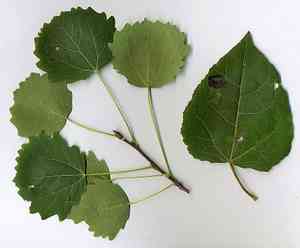
European aspen is commonly multiplied in fall and winter through the use of dormant wood cuttings, air layering, or by planting seeds. While propagation via cuttings and layering can present some challenges, indicators of successful establishment include the emergence of fresh roots and foliage. For seed propagation, it is advisable to stratify the seeds prior to planting. Maintaining consistently damp and adequately drained soil is crucial throughout the propagation process.
Optimal Time for European Aspen Propagation
Propagation Method
Cutting
Propagation Period
Autumn,Winter
Tools for European Aspen Propagation
Sharp pruning shears
Crucial for obtaining cuttings from european aspen, sharp pruning shears ensure a clean, precise cut, minimizing harm to the parent plant and boosting the likelihood of successful rooting. A clean cut prevents disease and promotes rapid healing.
Rooting hormone
Enhances the probability of successful root formation when propagating european aspen via cuttings. Rooting hormone stimulates root development at the cut site, which is vital for european aspen as it directly affects the cutting's ability to establish itself.
Sterile potting mix
Offers a disease-free medium for the rooting of european aspen cuttings. A sterile potting mix reduces the risk of fungal or bacterial infections, which can be detrimental during the delicate stage of root development.
Propagation tray or pots
Utilized to hold european aspen cuttings in an organized manner, ensuring each cutting has sufficient space for growth. The design allows for efficient water drainage and air circulation, crucial for preventing rot and encouraging root development.
Plastic covers or propagation domes
Maintain high humidity around european aspen cuttings, essential for preventing moisture loss through the leaves during the rooting phase. These covers create a greenhouse-like environment, promoting quicker root establishment.
Heat mat
Aids the rooting process of european aspen by providing consistent bottom heat, particularly beneficial for warmth-loving species like european aspen. This encourages faster root growth and increases the overall propagation success rate.
Watering can with a fine rose
Allows for gentle irrigation of european aspen cuttings without disturbing the rooting medium or the cuttings themselves. It ensures that moisture levels in the propagation medium are maintained, which is critical for root development.
Caring for Newly Propagated European Aspen
Caring for Newly Propagated European Aspen
Once european aspen cuttings have rooted and exhibit new growth, gradually introduce them to outdoor conditions if they began indoors. Keep the soil moist and provide a sheltered spot until they are well-established. European aspen thrives in full sun or partial shade and benefits from regular watering during dry spells, especially in the initial years. Mulching helps retain soil moisture and protects the young plants' root systems. As european aspen can grow rapidly once established, ensure ample space for growth when selecting a permanent landscape location.
Common Propagation Errors to Avoid with European Aspen
Overwatering cuttings
Gardeners might assume more water accelerates root growth in european aspen cuttings, but excessive moisture can lead to root rot and fungal infections, hindering healthy propagation. Proper drainage and moderate watering are crucial.
Excessive use of hormones
Applying too much rooting hormone to european aspen cuttings can damage plant tissues, impeding rooting. Using the recommended amount promotes optimal root development.
Ignoring parent tree health
Taking cuttings from an unhealthy european aspen compromises the vigor of new propagates. Cuttings should be selected from healthy, disease-free specimens to ensure the best start.
Planting cuttings deeply
Burying european aspen cuttings too deeply can result in reduced oxygen supply to developing roots, which may stifle growth or cause decay. Cuttings should be placed at the correct depth to flourish.
Tips for Propagating European Aspen
Use healthy cuttings
Selecting robust, disease-free cuttings from a vigorous european aspen ensures a higher success rate. The cutting should have a few leaf nodes and be taken from new growth.
Appropriate cutting length
Cuttings of an optimal length, typically 6 to 10 inches, provide a balance between sufficient tissue for sustenance and a surface area for root initiation in european aspen.
Maintain humidity
Keeping the air around european aspen cuttings humid without waterlogging the soil helps prevent desiccation while roots are developing.
Indirect light exposure
Providing european aspen cuttings with indirect light promotes photosynthesis without the stress of direct sunlight, which can cause overheating and moisture loss.



