How to Propagate Simon's poplar?
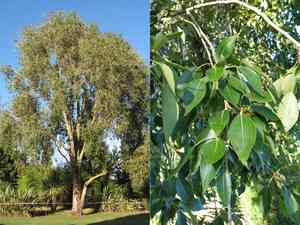
Simon's poplar can be effectively reproduced via cuttings, ensuring genetic uniformity among the resulting young plants. To achieve the best outcomes, choose robust, unblemished branches. Cuttings thrive in a damp, adequately draining substrate and diffused illumination to foster root formation. Providing appropriate attention during the initial rooting stage is vital for cultivating sturdy, thriving juvenile trees.
Optimal Time for Simon's Poplar Propagation?
Propagation Method
Cutting
Propagation Period
Autumn,Winter
Tools for Simon's Poplar Propagation?
Sharp Pruning Shears
These are crucial for making clean incisions on stems or branches of simon's poplar during the cutting process. A precise, clean cut helps prevent harm and infection, promoting faster healing and rooting. The sharpness of the shears ensures minimal tissue damage, which is vital for the health and viability of new cuttings.
Rooting Hormone Powder or Gel
This product is utilized to accelerate root formation from simon's poplar cuttings. By dipping the cut end of the cutting into the hormone, you enhance the probability of successful root growth, which is essential for simon's poplar, especially if the cutting doesn't root easily on its own. The rooting hormone also aids in preventing fungal infections, which can be detrimental during the rooting process.
Sterilization Equipment (e.g., Alcohol or Bleach Solution)
Proper sterilization of cutting implements and containers is critical to prevent the introduction and spread of diseases in simon's poplar. Before making cuts or planting cuttings, all tools should be disinfected. This practice is particularly important for simon's poplar to ensure the overall health and viability of the propagated plants.
Humidity Domes or Plastic Covers
These are employed to maintain high humidity around simon's poplar cuttings, which is vital for preventing moisture loss through leaves. High humidity helps the cuttings retain moisture and improves the chances of successful rooting.
Heat Mats
Placing the cutting containers of simon's poplar on heat mats can enhance the rooting process, particularly in cooler environments. The warmth provided by these mats helps to maintain an optimal soil temperature, encouraging faster root development.
How to Propagate Simon's Poplar?
Propagation Difficulty
Moderately Difficult
Caring for Newly Propagated Simon's Poplar?
Caring for Newly Propagated Simon's Poplar?
Once simon's poplar cuttings have established and show signs of new growth, gradually introduce them to the outdoor environment if needed before transplanting to their permanent spot. Ensure the young simon's poplar are planted in an area with full sun and well-drained soil. Consistent watering during the initial growing season is crucial for the tree's establishment. Pruning should be performed in late winter to maintain the desired shape and encourage healthy growth.
Common Errors to Avoid When Propagating Simon's Poplar
Overwatering
Excessive watering can lead to root rot in simon's poplar, hindering healthy root development. Too much moisture creates an anaerobic environment, which is harmful for new cuttings trying to establish.
Neglecting humidity levels
Insufficient humidity can cause simon's poplar cuttings to dry out before they can root. Simon's poplar requires a consistently moist environment to successfully initiate root growth.
Using blunt cutting tools
Dull or unclean tools can damage simon's poplar's tissues, making it more susceptible to disease and less likely to propagate successfully.
Cutting improper sections
Taking cuttings that are too young or old impacts the viability of simon's poplar. Only semi-hardwood sections root effectively.
Planting cuttings too deep
Inserting cuttings too deeply can cause simon's poplar to suffocate or rot, impeding root development and shoot growth.
Tips For Propagating Simon's Poplar
Adequate hydration
Ensure simon's poplar cuttings are moist but not waterlogged. Find a balance to prevent root rot while maintaining enough moisture to encourage root development.
Maintain humidity
Use a humidity dome or misting to keep the air around simon's poplar cuttings humid, aiding in preventing desiccation.
Sharp, clean cutting tools
Use sterilized, sharp pruning shears to take cuttings from simon's poplar. This promotes clean cuts that heal quickly and are less prone to infection.
Select the right cutting
Choose semi-hardwood sections from the current or previous year's growth. These have the best chance of rooting and becoming viable plants.
Appropriate planting depth
Plant simon's poplar cuttings shallowly so that a majority of the cutting is exposed to air. This allows for adequate gas exchange and reduces rotting risks.



