How to Propagate Swamp cottonwood?
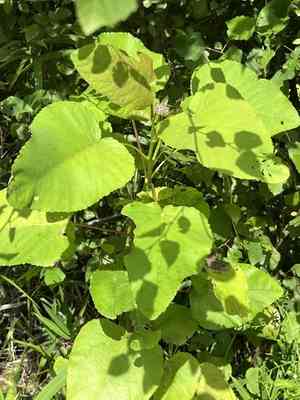
Populus heterophylla flourishes in damp habitats, rendering it highly suitable for propagation via cuttings. When harvesting cuttings, choose robust, unblemished branches. Sever segments that encompass several leaf nodes, as these regions are vital for the emergence of new roots. Confirm that cuttings are embedded in adequately draining substrate and sustain uniform humidity without saturation to foster root formation. Appropriate management and ambient factors are instrumental in the successful propagation of Populus heterophylla.
When Is the Optimal Time to Propagate Swamp Cottonwood?
Propagation Type
Cutting
Propagation Season
Fall,Winter
What Equipment Is Utilized for Swamp Cottonwood Propagation?
Sharp Pruning Shears
These are vital for gathering cuttings from swamp cottonwood. Keen blades ensure a clean cut, minimizing harm to both the parent plant and the cutting. This precise cut is essential for the cutting's well-being, as it lowers the chance of disease entering through ragged edges.
Rooting Hormone Powder
This substance assists in the rapid formation of roots from swamp cottonwood cuttings. By dipping the severed end into the hormone powder, it stimulates root development at a much quicker pace than untreated cuttings. This boosts the propagation success rate.
Sterile Potting Mix
Used for planting the treated swamp cottonwood cuttings. A sterile blend is free from pathogens and weed seeds, fostering healthier growth and reducing the likelihood of disease which could otherwise spread to new cuttings.
Heating Mat
This device maintains an ideal soil temperature, enhancing root growth in swamp cottonwood cuttings. Given swamp cottonwood's sensitivity during the initial phases of root development, consistent, gentle warmth can significantly improve propagation outcomes.
Moisture Dome
Placed over the cuttings and their containers, a moisture dome helps maintain high humidity levels around swamp cottonwood's cuttings, which is crucial for preventing the delicate new cuttings from drying out before they can establish roots.
Small Pots or Planting Trays
These receptacles are used to house each individual swamp cottonwood cutting. They should possess good drainage to prevent waterlogging, which is detrimental to the health of newly rooting swamp cottonwood cuttings.
How to Propagate Swamp Cottonwood?
Propagation Type
Moderately Challenging
How to Nurture Your Newly Propagated Swamp Cottonwood?
How to Nurture Your Newly Propagated Swamp Cottonwood?
Following propagation, it's vital to gradually introduce swamp cottonwood to less humid conditions by removing the plastic cover daily for increasing durations. Continue to ensure the soil is damp and provide partial shade for the initial weeks post-transplant. Gradual exposure to more direct sunlight can follow as the plant strengthens. Regular irrigation, especially during dry spells, and an annual feeding with a balanced fertilizer will support vigorous growth.
Common Errors to Avoid When Propagating Swamp Cottonwood
Overwatering
Excessive moisture can lead to root rot and other fungal ailments, which impede healthy root development and can cause the plant to perish.
Underwatering
Insufficient water supply can result in dehydration, preventing the cuttings from developing roots and potentially causing them to wilt and fail.
Poor Soil Drainage
Utilizing soil that retains too much water can also cause root rot and hinder aeration, both of which are critical for the formation of a robust root system.
Inadequate Light
Failure to provide sufficient light can impede photosynthesis, which is necessary for the energy required for root and shoot development.
Incorrect Cutting Techniques
Using improper methods or tools when taking cuttings can damage the plant material and decrease the likelihood of successful rooting.
Advice For Propagating Swamp Cottonwood
Use Well-draining Soil
Ensure that the soil mixture is light and drains effectively to prevent waterlogging and promote healthy root growth.
Maintain Consistent Moisture
Keep the soil consistently moist but not saturated to support the cuttingsâ hydration needs without risking root rot.
Provide Indirect Light
Place the cuttings in a location where they receive ample indirect light to support photosynthesis and growth without causing leaf scorch.
Use Sterile Tools
Always use clean, sharp instruments for taking cuttings to minimize the risk of infection and ensure a clean cut that can heal quickly.
Monitor Humidity Levels
Maintain a humid environment around the cuttings to prevent them from drying out and to encourage root formation.



