How to Propagate Eastern cottonwood?
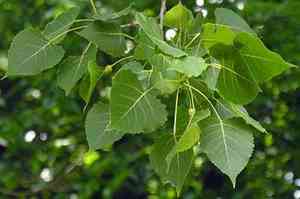
Eastern cottonwood can be multiplied through dormant wood cuttings, aerial layering, and seed dispersal techniques. The ease of propagation varies from simple to average. Indicators of successful multiplication involve the emergence of roots or fresh sprouts. It is advisable to propagate during the Fall or Winter seasons. A crucial propagation suggestion is to ensure that the cuttings originate from robust, pathogen-free specimens.
Optimal Time for Eastern Cottonwood Propagation
Propagation Method
Cutting
Propagation Period
Autumn,Winter
Tools Required for Eastern Cottonwood Propagation
Sharp Pruning Shears
These are vital for obtaining eastern cottonwood cuttings, enabling clean, precise cuts that heal quickly and minimize infection risk. Rust-resistant, easily sharpened blades are ideal for numerous cuttings.
Rooting Hormone Powder
This product encourages root development from eastern cottonwood cuttings. A rooting hormone accelerates the rooting process and boosts propagation success by fostering a robust root system more rapidly.
Sterilizing Agent (e.g., Isopropyl Alcohol or Bleach Solution)
This agent is crucial for sanitizing pruning shears and other tools before cutting eastern cottonwood to prevent disease spread. Proper hygiene ensures each cutting begins as healthy as possible.
Propagating Trays or Containers
These trays offer a suitable environment for the rooting of eastern cottonwood cuttings by maintaining necessary moisture and temperature. Select trays with excellent drainage to avoid waterlogging.
Peat Moss or Perlite
These materials serve as a rooting medium, providing a well-draining, sterile environment for eastern cottonwood cuttings to prevent rot and promote root growth. An ideal mix is lightweight for good air circulation around cutting bases.
Plastic Domes or Wraps
Plastic domes or wraps create a moist microclimate around eastern cottonwood cuttings to prevent moisture loss and maintain a stable environment, enhancing the likelihood of successful root initiation.
Watering Can with Fine Rose
This tool allows for gentle irrigation of eastern cottonwood cuttings without disturbing the rooting medium or harming delicate new roots. A fine rose attachment ensures even water distribution and prevents soil erosion around cuttings.
Labels and Markers
Labels are essential for tracking eastern cottonwood cuttings, monitoring progress, and ensuring appropriate care for each. Waterproof markers are useful for creating durable labels.
Heat Mat (Optional)
For propagators in colder regions, a heat mat can elevate the temperature of the propagation medium for eastern cottonwood, which can be critical for encouraging root development during cooler periods.
Caring for Your Newly Propagated Eastern Cottonwood
Caring for Your Newly Propagated Eastern Cottonwood
Post-propagation, consistently water young eastern cottonwood plants, allowing the soil to dry slightly between waterings. Apply a balanced, slow-release fertilizer as they mature. Initially, shield plants from strong winds and intense sunlight. As eastern cottonwood grow quickly and can become large, plan for ample landscape space and consider their water-loving nature by avoiding planting near building foundations and septic systems.
Common Errors to Avoid When Propagating Eastern Cottonwood
Over-watering cuttings
Excessive moisture can cause eastern cottonwood cuttings to rot before rooting. This prevents nutrient and water absorption, impeding their growth.
Cuttings taken from weak branches
Using weak or diseased branches for cuttings is a frequent error. Such branches are less likely to root and develop into healthy eastern cottonwood trees.
Ignoring aeration
Failure to provide sufficient aeration in the rooting medium can lead to suffocation of eastern cottonwood's roots. Poor aeration reduces oxygen availability, impacting rooting success.
Planting cuttings too deep
Inserting eastern cottonwood cuttings too deeply into the soil can result in insufficient oxygen and light, which can hinder the rooting process.
Advice for Propagating Eastern Cottonwood
Using healthy donor trees
Select healthy and robust donor trees for cuttings. This maximizes the chances of survival and growth for the propagating eastern cottonwood.
Proper cutting size
Cuttings should be of an optimal size, typically 6-10 inches long with several nodes, to ensure adequate area for root development in eastern cottonwood.
Root stimulating hormones
Employing rooting hormones can promote faster and more reliable root growth for eastern cottonwood, boosting propagation success rates.
Maintain humidity
Keeping the environment around eastern cottonwood cuttings humid can prevent them from drying out before they have established roots.



