How to Propagate Pickerelweed?
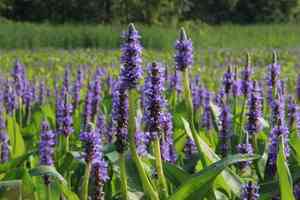
Pickerelweed reproduces most effectively by planting seeds in the spring, presenting a moderate challenge. Successful reproduction is indicated by the appearance of robust, new sprouts. Sufficient hydration and warmth considerably improve the chances of germination.
When Is the Optimal Time to Propagate Pickerelweed?
Propagation Method
Seeding
Propagation Period
Spring
What Equipment Is Used for Pickerelweed Propagation?
Seed trays
Seed trays are essential for the seeding method, offering an organized way to initiate seeds and maintain proper spacing. Their shallow depth suits pickerelweed's small seeds, preventing them from being planted too deep, which could impede germination.
Fine-grained soil mix
A fine-textured soil mix is vital for seed starting as it ensures good seed-to-soil contact, promotes consistent moisture retention, and provides adequate aeration—all key elements for successful pickerelweed germination.
Misting bottle
A misting bottle is employed to gently moisten the soil without disturbing pickerelweed's tiny seeds. It allows for precise moisture control, reducing the risk of fungal diseases that can harm seedlings.
Clear plastic dome or plastic wrap
A transparent plastic dome or plastic wrap creates a greenhouse effect over seed trays, maintaining high humidity and stable temperatures, which are beneficial for pickerelweed seed germination.
Heating mat
A heating mat gently warms the soil, promoting quicker germination of pickerelweed seeds. Consistent warm temperatures are especially advantageous for seeds requiring higher temperatures for sprouting.
Seedling grow lights
Seedling grow lights provide a steady light source crucial for seedling development once germination occurs. They ensure pickerelweed seedlings receive sufficient light for healthy growth if natural light is inadequate.
Labels and markers
Labels and markers help track planting dates and identify pickerelweed seedlings. This is important for monitoring growth and providing appropriate care throughout the seedling stage.
How to Propagate Pickerelweed?
Propagation Method
Seeding
Difficulty Level
Easy
How to Care for Your Newly Propagated Pickerelweed?
How to Care for Your Newly Propagated Pickerelweed?
Pickerelweed needs consistent moisture and thrives in shallow, standing water. Plant pickerelweed in full to partial sun for robust growth and flowering. During the active growing season, fertilize monthly with a balanced aquatic plant fertilizer. Trim any dead or yellowing foliage to maintain plant health and appearance. In winter, pickerelweed may die back, but the roots typically survive in the sediment to regrow in spring.
Common Errors to Avoid When Propagating Pickerelweed
Overwatering
Excessive watering can cause root rot in pickerelweed, a plant that prefers moist but not waterlogged conditions. Overwatering can create an anaerobic environment around the roots, hindering their ability to respire and absorb nutrients effectively.
Ignoring light requirements
Pickerelweed needs full to partial sunlight to thrive. A common error is providing either too much shade or too much direct sunlight, which can lead to stunted growth and impede the plant's ability to produce flowers.
Using poor quality water
Water high in chemicals and salts can harm pickerelweed. Using chlorinated tap water or water with high mineral content can cause leaf burn and affect the plant's overall health, which is problematic when attempting to propagate healthy specimens.
Cutting wrong plant parts
When propagating pickerelweed by division or cuttings, selecting incorrect plant parts or cutting improperly can result in poor root and shoot development.
Tips For Propagating Pickerelweed
Appropriate water source
Use rainwater or dechlorinated tap water for pickerelweed to prevent the introduction of harmful chemicals that can impact the plant's growth.
Proper division technique
Divide pickerelweed carefully, ensuring each section has sufficient root mass and at least one growing point to increase the plant's chances of establishing well after transplanting.
Correct potting mix
For pot propagation, use a loamy, well-draining soil mix to support healthy pickerelweed growth by providing ample nutrients and moisture retention without waterlogging.
Ideal cutting selection
Choose healthy and vigorous sections of pickerelweed for cuttings. Select stems with multiple nodes, as nodes are where root formation is most likely to occur.



