How to Propagate Ming aralia?
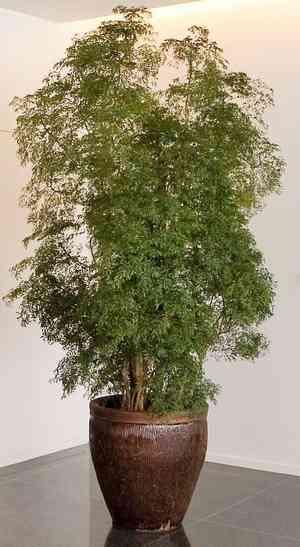
The most favorable period for propagating Ming aralia is during the spring and summer months. This process is generally accomplished via cuttings and can present a moderate challenge. The emergence of new, robust foliage signifies successful propagation. For the best outcome, meticulously choose a vigorous branch.
Optimal Time for Ming Aralia Propagation
Propagation Method
Cutting
Propagation Period
Spring, Summer
Tools for Ming Aralia Propagation
Sharp pruning shears
Pruning shears are essential for making clean cuts on ming aralia stems for propagation. A sharp, sanitized blade prevents harm to the parent plant and lowers the chance of infection for the cutting. A precise cut also aids in better root development for ming aralia.
Rooting hormone powder or gel
Rooting hormone is applied to the severed end of the ming aralia cutting to encourage root formation and boost the likelihood of successful propagation. It contains synthetic auxins that promote root initiation, crucial for ming aralia's delicate cuttings.
Sterile potting mix
A sterile potting mix is vital for ming aralia cuttings to minimize the risk of soil-borne illnesses. A light, well-draining mixture offers the necessary support and moisture retention while allowing for optimal root growth.
Small pots or propagation trays
These containers are used to plant the ming aralia cuttings after they have been treated with rooting hormone. They should provide adequate drainage and be appropriately sized to accommodate initial root development without overcrowding the cuttings.
Plastic cover or propagation dome
Maintaining high humidity around ming aralia cuttings is crucial to prevent drying out. A plastic cover or dome creates a greenhouse-like environment that retains moisture and warmth, encouraging the cuttings to root.
Heat mat (optional)
A heat mat can be placed beneath propagation trays to maintain a consistent and warm soil temperature. This benefits ming aralia's root development, especially in cooler environments, and can significantly increase the success rate of propagation.
Watering can with a fine rose attachment
This tool allows for gentle watering of ming aralia cuttings without disturbing the soil or dislodging the cuttings. It provides a soft shower that adequately moistens the medium without causing erosion or compacting the soil.
Misting bottle
Used for regularly misting ming aralia cuttings housed under a plastic cover or propagation dome, to maintain high humidity levels. This promotes leaf health and prevents the cuttings from drying out during the rooting phase.
Sterilizing agent (e.g., rubbing alcohol or bleach solution)
A sterilizing agent is used to clean all tools and containers before propagating ming aralia. Sterilization helps prevent the transfer of diseases and pests from contaminated tools to the new cuttings.
Propagating Ming Aralia
Propagation Method
Cutting
Difficulty Level
Moderately Challenging
Post-Propagation Care for Ming Aralia
Post-Propagation Care for Ming Aralia
Caring for ming aralia after propagation involves providing it with ample indirect light, avoiding direct sun exposure which can scorch its leaves. The plant prefers consistently moist soil, but it's crucial to prevent overwatering, which can lead to root rot. Ming aralia thrives in high humidity, so maintaining a humid environment through misting or a humidifier can be beneficial. Fertilize ming aralia with a balanced, water-soluble fertilizer during the growing season, and prune regularly to encourage bushier growth and maintain its shape. Ensure a stable environment with temperatures ranging from 65°F to 85°F (18°C to 29°C), and protect ming aralia from drafts and sudden temperature fluctuations.
Common Errors to Avoid When Propagating Ming Aralia
Overwatering
Excessive watering can lead to root rot in ming aralia, as it prefers well-draining soil and moderate moisture levels. Waterlogged soil is harmful to the roots, causing them to become soft and brown, eventually leading to the plant's demise.
Insufficient light
Ming aralia requires bright, indirect light to flourish. A common error is placing the plant in conditions with too little light, which can result in leggy growth, fewer leaves, and a decline in the plant's overall health and vigor.
Over-fertilization
Gardeners might apply too much fertilizer believing it will boost ming aralia's growth. However, excessive fertilization can burn the roots, leading to yellowing leaves and stunted growth. Ming aralia's growth will be adequately supported with a balanced, light feed.
Inadequate humidity
Ming aralia enjoys a humid environment, and suffering can occur when the surrounding air is too dry. This can make the leaves brittle and more susceptible to pest infestations.
Poor cutting selection
When propagating ming aralia through cuttings, a mistake is choosing weak or diseased stems. These cuttings are less likely to root and develop into healthy plants.
Tips For Propagating Ming Aralia
Sterilize tools
It's important to use clean, sterilized pruning shears or knives when taking cuttings from ming aralia to prevent the spread of disease.
Proper cutting technique
Make cuttings that are 4-6 inches long with several leaf nodes. Cuttings should be taken from healthy, vigorous parts of ming aralia to increase the likelihood of successful rooting.
Soil preparation
Use a well-draining soil mix for potting ming aralia cuttings. A mix of peat, perlite, and pine bark can provide the aeration and drainage ming aralia needs to establish a strong root system.
Rooting hormone
Applying a rooting hormone to the cut ends of ming aralia cuttings can stimulate root growth and enhance the chances of successful propagation.
Careful watering
Keep the soil moist but not waterlogged when rooting ming aralia cuttings. A balanced approach to watering supports healthy root development without risking rot.



