How to Propagate Mayapple?
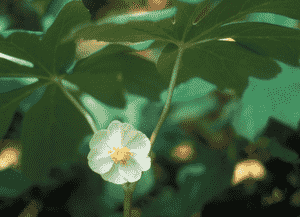
The most suitable periods for propagating mayapple are spring and fall, mainly by means of division. This particular plant presents a moderate level of challenge for propagation. Indicators of successful propagation encompass robust root development and emerging sprouts. Guarantee appropriate soil hydration for peak growth.
Optimal Period for Mayapple Propagation
Propagation Method
Splitting
Propagation Period
Spring, Autumn
Tools Required for Mayapple Propagation
Garden Fork or Spade
These digging implements are crucial for loosening the soil around mayapple without harming its root system. A garden fork is especially useful for gently separating roots, which is vital when dividing rhizomes for propagation.
Sharp Knife or Pruning Shears
A clean, sharp knife or a pair of pruning shears is necessary for cutting through mayapple rhizomes during division. This ensures a precise cut that avoids fraying or damaging plant tissue, promoting better healing and root development in new divisions.
Gloves
Wearing gloves is essential because mayapple contains podophyllotoxin, which can be toxic if ingested or absorbed through the skin. Gloves offer a protective barrier when handling the plant or its parts.
Sterilizing Solution (e.g., Rubbing Alcohol or Bleach Solution)
Tools used for cutting should be disinfected before and after use to prevent disease transmission. Proper sterilization is critical for maintaining mayapple's health during the division process.
Watering Can or Hose with a Soft Spray Setting
After planting the divisions, gentle watering is needed to settle the soil and provide essential moisture. A soft spray setting is preferred to prevent washing out or disturbing the newly planted mayapple divisions.
Plant Labels and Marker
Labels are important for tracking various divisions, especially when propagating multiple plants simultaneously. A permanent marker ensures that information remains legible throughout the growing season.
How to Propagate Mayapple?
Propagation Type
Division
Difficulty Level
Easy
Caring for Your Newly Propagated Mayapple
Caring for Your Newly Propagated Mayapple
Post-propagation, continue to provide mayapple with shaded to partially shaded conditions and moist, rich soil. Protect from intense sunlight and allow ample space for the plant to spread. As mayapple enters dormancy late in the season, reduce watering. Resume regular watering as new growth appears in spring. Fertilize sparingly, as mayapple is adapted to nutrient levels typical of its natural woodland habitat. Mulch can be applied to retain soil moisture and add organic matter. Monitor for pests and diseases, though mayapple is generally resistant if grown in suitable conditions.
Common Mistakes to Avoid When Propagating Mayapple
Overwatering
While mayapple prefers moist conditions, excessive water can lead to root rot and fungal diseases. Overwatering, especially in poorly draining soils, can suffocate roots, hindering growth and potentially killing the plant.
Deep planting
Planting mayapple's rhizomes too deeply can hinder sprouting, as they require a shallow position to emerge correctly.
Incorrect division
Attempting to propagate mayapple by cutting rhizomes into overly small pieces or during the wrong growth stage can result in poor establishment and reduced survival rates.
Ignoring the node
Each rhizome piece must have at least one node. Failing to include a node on each section when dividing rhizomes means the pieces will not sprout.
Harvesting wild plants
Removing mayapple from its natural habitat can harm local populations and ecosystems. Doing so also risks introducing diseases or pests to your garden.
Tips For Propagating Mayapple
Soil preparation
Prepare well-draining soil rich in organic matter to maintain moisture without waterlogging, which is ideal for mayapple's rhizomes.
Adequate spacing
Provide sufficient space between rhizome divisions to allow for mayapple's spread and reduce competition for resources.
Appropriate rhizome size
When dividing, ensure that each rhizome segment has at least 2-3 nodes to increase the chance of successful propagation.
Surface planting
Plant the rhizome divisions just below the soil surface. This shallow planting mimics mayapple's natural growing conditions.
Pest monitoring
Regularly inspect mayapple for signs of pests, as early detection is key to controlling infestations and ensuring the health of your plants.



