How to Propagate Buddhist pine?
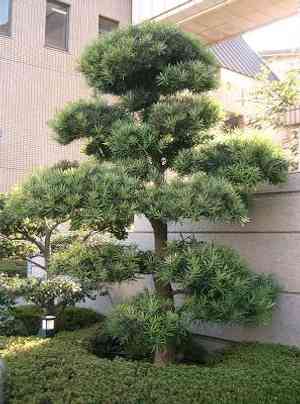
The Buddhist pine is typically reproduced via air layering, cuttings, or seed planting, with the most favorable period being fall and winter. This procedure is moderately straightforward, and successful outcomes are indicated by fresh shoots. A rooting stimulant can assist in the propagation process.
Optimal Time for Buddhist Pine Propagation
Propagation Method
Cutting
Propagation Period
Autumn,Winter
Essential Tools for Buddhist Pine Propagation
Sharp Pruning Shears
Pruning shears are vital for taking cuttings from buddhist pine. They ensure a clean, precise cut that minimizes damage to the parent plant and the cutting. Sharp blades reduce the risk of crushing the plant tissue, which can impede rooting and increase the likelihood of disease.
Rooting Hormone
Rooting hormone promotes root formation and increases the chances of successful propagation in buddhist pine cuttings. It contains auxins that stimulate root growth, helping the cutting to establish more quickly and effectively once planted.
Sterile Potting Mix
A sterile potting mix is necessary to provide a clean growing medium for buddhist pine cuttings. It reduces the risk of soil-borne pathogens which could otherwise attack the vulnerable cuttings before they have established roots.
Propagation Tray with Dome
A propagation tray with a clear dome creates a micro-environment with high humidity, which is beneficial for buddhist pine cuttings as it prevents excessive moisture loss while they are developing roots. The dome also helps to maintain consistent temperature and protect the cuttings from pests.
Heat Mat
A heat mat provides gentle bottom heat which can improve rooting efficiency for buddhist pine. This tool is especially useful in cooler climates or seasons, as it can maintain an optimal temperature range that promotes root development.
Misting Bottle
A misting bottle is used to gently water the buddhist pine cuttings without disturbing the soil or new roots. Frequent misting ensures the cuttings do not dry out and aids in creating a humid environment around the foliage.
Disinfectant
Disinfectant is crucial for sterilizing tools and containers before and after use to prevent the spread of disease among buddhist pine cuttings. Cleanliness is key in the propagation process to foster healthy growth and minimize infection rates.
Post-Propagation Care for Buddhist Pine
Post-Propagation Care for Buddhist Pine
After the buddhist pine has successfully rooted, which can be checked by a gentle tug resistance, acclimate it to less humid conditions by gradually removing the plastic cover. Once established, transition the young plants to their permanent location with bright, indirect light and continue regular watering and fertilization routines adjusted to the specific needs of buddhist pine. Maintain an evenly moist soil and provide occasional pruning to shape the plant and encourage bushier growth, being mindful of its slower growth rate and preference for cooler temperatures.
Common Errors to Avoid When Propagating Buddhist Pine
Over-watering cuttings
Excessive watering can lead to rot in the early stages of rooting, as buddhist pine cuttings are prone to rot in soggy soil, reducing their chances of successful propagation.
Using overly large pots
Starting buddhist pine cuttings or seeds in pots that are too large can cause the soil to retain excess moisture, leading to similar issues of root rot due to poor drainage.
Ignoring cleanliness
Using unsterilized tools or containers can introduce pathogens, which might compromise the delicate process of buddhist pine propagation and may lead to diseases.
Cutting improper nodes
Making cuttings from non-viable nodes or in the wrong manner can result in a failed propagation attempt because buddhist pine requires specific node selection for successful rooting.
Neglecting humidity
Failing to maintain a high humidity environment for buddhist pine cuttings can cause them to dry out and fail to root, as they require consistent moisture in the air for optimal growth.
Over-fertilizing
Applying too much fertilizer can burn the developing roots of buddhist pine and stunt growth, as the young plants are sensitive to high concentrations of nutrients.
Advice for Propagating Buddhist Pine
Moderate watering
Provide consistent but moderate watering to keep the soil moist but not waterlogged, which supports healthy root development in buddhist pine.
Proper pot size
Start seeds or cuttings in small pots to better manage soil moisture levels and promote a strong root system in buddhist pine.
Sterilize equipment
Always use clean, sterilized tools and containers to prevent the spread of disease during the propagation of buddhist pine.
Select healthy cuttings
Choose healthy, mature stems with visible nodes for cuttings, as these are more likely to root successfully in buddhist pine propagation.
Maintain humidity
Use a humidity dome or plastic bag to create a moist, greenhouse-like environment for buddhist pine cuttings to encourage rooting.
Fertilize cautiously
Apply a balanced, diluted fertilizer only after buddhist pine has established a robust root system to prevent damage to the young plants.



