How to Propagate Silver tussock?
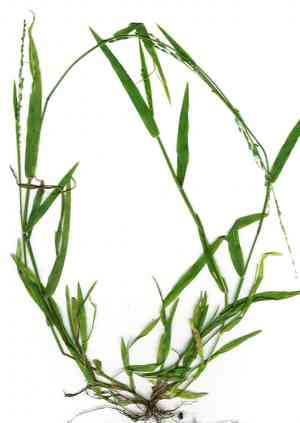
Belonging to the Poaceae family, silver tussock is celebrated for its capacity to produce a captivating landscape appearance with its delicate, silver-hued leaves. Flourishing in soil that drains effectively, silver tussock exhibits resilience across diverse environments. For reproduction, the preferred technique is division, which entails splitting an established cluster into smaller sections, each possessing roots, while the plant is inactive. Efforts should be made to lessen root disruption, and prompt irrigation after transplanting is crucial for fostering successful integration.
Optimal Time for Silver Tussock Propagation
Propagation Method
Division
Propagation Period
Spring,Autumn
Tools for Silver Tussock Propagation
Garden Spade
A robust garden spade is vital for separating silver tussock clumps. Its sharp, flat edge is perfect for cutting through soil and root mass, enabling easy separation without excessive root damage. This tool's effectiveness comes from its ability to make clean cuts through dense, matted root systems, ensuring minimal harm to the plant's health.
Soil Knife
A soil knife is indispensable for refining the division process of silver tussock. It offers precision for cutting smaller roots and dividing root balls into smaller sections. The serrated edge is especially useful for sawing through thicker root material or tangled masses, common when propagating silver tussock. Using a soil knife can optimize plant recovery and increase propagation success rates.
Pruning Shears
Sharp pruning shears are used to trim any overly long or damaged roots and foliage before and after dividing silver tussock. This helps maintain plant health by preventing resources from being used by damaged or unnecessary parts. Properly cleaned and sharpened pruning shears promote rapid healing of cut surfaces, reducing infection risk.
Watering Can with a Fine Rose
Following the division of silver tussock, a watering can with a fine rose attachment is crucial for gently irrigating the newly planted divisions. This helps settle the soil around the roots and eliminate air pockets, which can dehydrate roots and lower survival rates. The fine rose prevents dislodging or compacting the soil, which could harm delicate new root systems.
Rooting Hormone Powder
Applying rooting hormone powder to the cut surfaces of silver tussock root divisions can significantly boost root development. This specialized product accelerates root growth and helps establish stronger root systems more quickly, which is essential for the successful establishment of new plants in their new locations.
How to Propagate Silver Tussock?
Propagation Difficulty
Easy
Caring for Newly Propagated Silver Tussock
Caring for Newly Propagated Silver Tussock
After propagation, it's vital to maintain moderate soil moisture for silver tussock, especially during the initial establishment phase. Avoid overwatering as silver tussock prefers well-draining conditions. Provide full sun to partial shade for optimal growth. No fertilization is needed immediately after propagation, but an annual application of a balanced fertilizer can support vigorous growth in subsequent seasons. Periodically check for pests and diseases, though silver tussock is generally resilient against common garden pests.
Common Errors to Avoid When Propagating Silver Tussock
Overwatering
Excessive moisture can cause root rot in silver tussock. This species is accustomed to relatively dry conditions, and overwatering can severely hinder root development and reduce survival rates during propagation.
Soil Compaction
Using overly dense or compacted soil can restrict silver tussock's root growth. Adequate drainage and soil aeration are crucial for the successful establishment of new plants.
Ignoring Light Requirements
Insufficient light may weaken silver tussock, as it typically thrives in open, sunlit environments. A lack of proper lighting can lead to leggy growth and poor overall health.
Improper Division
When dividing silver tussock, failing to cleanly separate the root clump with minimal damage can stress the plant and impede its ability to establish new growth.
Tips for Propagating Silver Tussock
Soil Preparation
Provide silver tussock with well-draining soil that is lightly firmed but not compacted. This will help mimic the plant's natural habitat and support robust root development.
Watering Technique
Water silver tussock carefully, keeping the soil moist but not waterlogged. Establish a consistent watering routine that allows the soil surface to dry slightly between waterings.
Appropriate Lighting
Ensure silver tussock receives ample sunlight, replicating the open and bright environments the plant favors. This will encourage healthy growth and improve propagation success.
Gentle Division
When dividing silver tussock, do so gently and with clean cuts to minimize damage to the roots. Ensure each division has a good amount of roots and some top growth to facilitate quick establishment.



