How to Propagate Texas bluegrass?
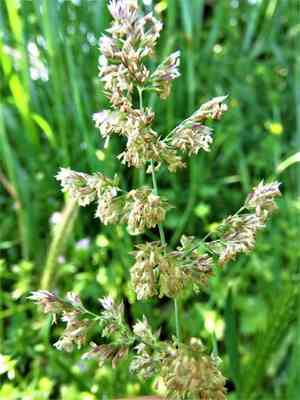
Texas bluegrass generally reproduces via separation. For robust development, segment the plants, making sure every portion possesses a sufficient root structure. The dense characteristic of its root masses necessitates meticulous detachment to preserve plant wholeness. Promptly embed the separated sections into damp, adequately draining soil to foster their settling. Consistent irrigation and dappled light aid the fresh sprouts in thriving.
Optimal Period for Texas Bluegrass Propagation
Propagation Method
Division
Propagation Period
Spring,Autumn
Tools for Texas Bluegrass Propagation
Garden Spade
A robust garden spade is essential for effectively separating texas bluegrass's root structure without causing undue harm. This implement enables precise cuts and secure lifting of the plant from the ground. Its flat, sharp blade is perfect for cutting through sod and ensures a clean root division, vital for fostering vigorous new growth.
Root Pruning Shears
Root pruning shears are necessary for trimming texas bluegrass roots before replanting. These shears must be sharp and provide a clean cut to avoid tearing and damage, which could lead to disease and poor development. Precise trimming helps manage root ball size and encourages a denser, healthier root system upon replanting.
Watering Can with Fine Rose
Following division, texas bluegrass needs gentle watering to help it establish in its new spot. A watering can with a fine rose attachment delivers a soft, rain-like water flow, reducing the risk of soil erosion around the newly planted divisions. This tool ensures even water distribution, reaching the roots without overwhelming the plant.
Potting Mix
A premium potting mix offers the necessary nutrients and proper drainage for texas bluegrass after division. It supports the newly divided plants in containers or a new garden area, helping them recover and grow robustly. The correct mix, often containing compost or peat moss, promotes better root growth and water retention in the initial replanting stages.
Garden Fork
Used for loosening the soil around texas bluegrass before division, a garden fork minimizes root system damage while allowing for easier plant lifting. The tines gently pry the plant from the ground with less disruption to the surrounding soil, benefiting both the extracted plant and those remaining in place.
How to Propagate Texas Bluegrass?
Propagation Type
Easy
Caring for Your Newly Propagated Texas Bluegrass
Caring for Your Newly Propagated Texas Bluegrass
After propagation, continue to irrigate texas bluegrass regularly, ensuring the soil stays moist, especially during dry spells. Fertilize lightly with a balanced, slow-release fertilizer to support growth. Mow texas bluegrass to maintain a height of approximately 2-3 inches to encourage denser growth and deter weed competition. Monitor for signs of pests or disease and treat as needed to keep texas bluegrass healthy.
Common Errors to Avoid When Propagating Texas Bluegrass
Overwatering
Excessive watering can cause root rot in texas bluegrass, which thrives in well-drained conditions. This error reduces oxygen availability to the roots, impairing their function and potentially killing the plant.
Deep planting of seeds
Planting seeds too deeply can prevent texas bluegrass seeds from germinating, as they require light to initiate the growth process. Deep planting may result in failed propagation due to insufficient light exposure.
Neglecting temperature control
Failing to manage appropriate temperature levels can impact the germination rate of texas bluegrass. Environments that are too cold or too hot can either slow down germination or inhibit it entirely.
Tips for Propagating Texas Bluegrass
Maintain moisture balance
Ensure the soil is consistently damp but not waterlogged. Using a fine mist to water the soil can prevent disturbance of texas bluegrass seeds, promoting successful germination.
Surface sowing
Since texas bluegrass needs light for germination, sow the seeds on the soil surface or cover them with a very thin layer of soil. This allows sufficient light to reach the seeds, enhancing germination.
Temperature regulation
Maintain a stable and suitable temperature (preferably between 18°C to 22°C). Consistent temperatures help achieve higher germination rates for texas bluegrass, ensuring healthy plant development.



