How to Propagate Annual bluegrass?
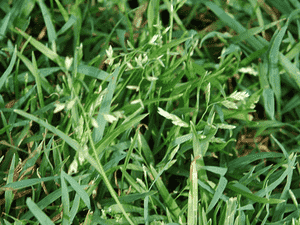
During the prime propagation period of spring, annual bluegrass is predominantly reproduced via seeding. This method is quite straightforward, and successful reproduction is indicated by sprouting and robust young plant development. Consistent irrigation and appropriate distancing guarantee the best outcomes.
Optimal Period for Annual Bluegrass Propagation
Propagation Method
Seeding
Propagation Period
Spring
Equipment for Annual Bluegrass Propagation
Seed Starter Trays
Seed starter trays are vital for individually planting annual bluegrass seeds, offering a controlled setting for sprouting. Each cell holds one seed, minimizing rivalry and promoting ideal growth conditions.
Fine Vermiculite or Seed Starting Mix
A seed starting mix or fine vermiculite assists annual bluegrass seeds in retaining moisture and airflow, crucial for germination. Its light texture also facilitates easy root penetration.
Misting Bottle
A misting bottle offers a gentle method to ensure annual bluegrass seeds remain hydrated. The fine mist keeps the medium damp without disturbing tiny seeds or causing soil erosion.
Plastic Dome or Cover
A plastic dome or cover over seed starter trays creates a miniature greenhouse effect. It helps maintain high humidity and warmth, both beneficial for annual bluegrass germination.
Heat Mat
A heat mat can be placed beneath seed starter trays to maintain a steady optimal temperature for annual bluegrass seed germination, especially in cooler regions or during winter.
Grow Lights
Grow lights supply the necessary light spectrum for annual bluegrass seedlings to develop robustly once germinated, particularly when natural light is insufficient.
Tweezers
Tweezers can be used to handle annual bluegrass seeds and delicate seedlings without harm, providing precise control during planting and transplanting.
How to Propagate Annual Bluegrass?
Propagation Method
Seeding
Difficulty Level
Easy
Caring for Newly Propagated Annual Bluegrass
Caring for Newly Propagated Annual Bluegrass
After propagation, annual bluegrass needs minimal care due to its adaptable and resilient nature. However, for a tidy look, regular mowing to about 1.5 to 2 inches is recommended. Avoid over-watering as annual bluegrass is drought-tolerant and thrives with moderate moisture. Fertilize sparingly, as excessive nutrients can lead to lush, disease-prone growth. Monitor for pests and diseases routinely, applying treatment as needed following eco-friendly gardening practices.
Common Errors to Avoid When Propagating Annual Bluegrass
Overwatering
Excessive watering of annual bluegrass can lead to root rot and other fungal issues. Saturated soils also reduce oxygen for roots, hindering growth and potentially killing the plant.
Deep sowing
Annual bluegrass seeds require ample light to germinate, so planting them too deep in the soil can result in poor or failed sprouting.
Overcrowding
Planting annual bluegrass seeds too closely can cause seedlings to compete for resources, potentially stunting growth and leading to weaker plants.
Neglecting weeding
Failing to remove weeds around annual bluegrass can increase competition for nutrients and water, negatively impacting the growth of annual bluegrass.
Ignoring soil quality
Not ensuring the soil has the correct texture and nutrient levels can impede annual bluegrass growth, as it thrives in well-drained yet moderately fertile soil.
Tips For Propagating Annual Bluegrass
Light sowing
Disperse annual bluegrass seeds lightly on the soil surface or cover with a very thin layer of soil to ensure sufficient light for germination.
Moderate watering
Provide annual bluegrass with consistent moisture but avoid saturating the soil. Use a gentle spray to moisten the soil without causing erosion or displacing seeds.
Weed management
Maintain a weed-free area around annual bluegrass to reduce resource competition, ensuring better growth conditions for seedlings.
Soil preparation
Prepare a fine seedbed for annual bluegrass, free of clumps and debris. Ensure the soil is well-drained and moderately fertile for optimal growth.
Appropriate spacing
When planting annual bluegrass seeds or transplanting seedlings, allow enough space for growth without competition, which permits sufficient air circulation and sunlight access.



