How to Propagate Elkhorn fern?
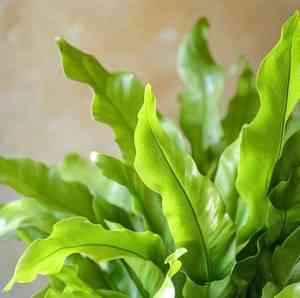
The most suitable periods for propagating elkhorn fern are spring and fall, utilizing either division or spore propagation techniques. A challenge arises from the careful manipulation required for spores. Evidence of successful propagation is marked by the emergence of robust, fresh growth.
Optimal Time for Elkhorn Fern Propagation
Propagation Method
Division
Propagation Period
Spring,Autumn
Tools Required for Elkhorn Fern Propagation
Sharp, sterile scissors or pruning shears
These are crucial for making clean cuts through the robust fronds and rhizomes of elkhorn fern, preventing unnecessary harm to the plant tissue. A precise cut is essential for avoiding infection and ensuring quick healing and regrowth.
Gloves
Hand protection is necessary when handling elkhorn fern, as the plant can be quite large and its frond edges may be rough. Gloves also aid in maintaining cleanliness and preventing disease transmission during the process.
Antifungal powder
Applying antifungal powder to the cut areas of elkhorn fern helps prevent fungal infections, which can be harmful to new divisions. It encourages healthy root development and successful establishment post-propagation.
Propagation medium
A well-draining, moisture-retentive substrate such as sphagnum moss or a peat-perlite blend is recommended for elkhorn fern divisions. Such media offer the correct balance of moisture and aeration, promoting root growth.
Potting containers
Appropriately sized pots with drainage holes provide a suitable environment for elkhorn fern divisions. The size should match the division to encourage focused root development.
Watering can with a gentle nozzle
After elkhorn fern is planted, a watering can with a soft nozzle ensures that water is delivered slowly and gently without disturbing the newly planted divisions or washing away the propagation medium.
Humidity tray or misting bottle
Maintaining elevated humidity levels is important for elkhorn fern's successful establishment. A humidity tray or regular misting can provide the necessary moisture to encourage the divisions to thrive.
Post-Propagation Care for Your Elkhorn Fern
Post-Propagation Care for Your Elkhorn Fern
Caring for your newly propagated elkhorn fern involves placing it in bright, indirect light, maintaining high humidity, and watering it sparingly when the medium feels dry to the touch. Fertilize with a diluted, balanced fertilizer during the growing season. As an epiphytic plant, elkhorn fern benefits from good air circulation, so keep it in a location where air movement is present but not too strong to dry it out rapidly.
Common Errors to Avoid When Propagating Elkhorn Fern
Overwatering
Excessive watering can lead to root rot and fungal diseases in elkhorn fern, as they are epiphytic and do not require as much water as terrestrial plants.
Using soil medium
Employing regular potting soil can cause water retention issues leading to root rot, since elkhorn fern requires a well-draining medium like sphagnum moss or fern fiber.
Inadequate light
Providing insufficient light can impede the growth of elkhorn fern, as these plants flourish in bright, indirect sunlight.
Incorrect cutting
Attempting to propagate elkhorn fern by cutting the fronds rather than using spores or offshoots may lead to failure, as fronds do not develop new plants.
Advice for Propagating Elkhorn Fern
Spore collection
Carefully harvest spores from the underside of mature fronds of elkhorn fern to start new plants, as this is the natural reproduction method for the species.
Proper mounting
Mount the offspring of elkhorn fern on a suitable backing, such as a wooden plank or wire frame, to replicate their natural epiphytic growing conditions.
Humidity maintenance
Maintain high humidity around elkhorn fern during propagation as these plants flourish in moist environments, but without making the medium soggy.
Regular inspection
Inspect elkhorn fern for pests and diseases regularly, since pests like scale insects can wreak havoc on new propagations.



