How to Propagate Garden pea?
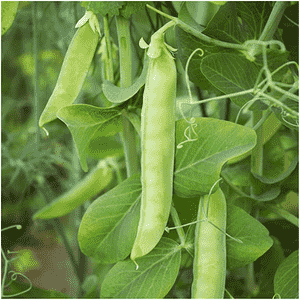
The garden pea effectively reproduces by planting seeds in the springtime. The process of propagation is typically straightforward. Observe for the appearance of young plants as an indicator of successful reproduction. Guarantee ideal soil warmth and steady hydration to enhance the rates of sprouting.
Optimal Time for Garden Pea Propagation
Propagation Method
Seeding
Propagation Period
Spring
Tools for Garden Pea Propagation
Seed Trays or Connector Pots
Containers like seed trays or connector pots are vital for starting garden pea seeds indoors. Their individual cells enable easy seedling separation, minimizing root disturbance during transplanting. They optimize space and help maintain consistent soil moisture and temperature.
Soilless Potting Mix
A sterile, soilless potting mix offers an ideal growing medium for garden pea seeds. Its light texture encourages robust root development and lowers the risk of soil-borne diseases, which is crucial for healthy, vigorous seedlings.
Dibber or Seed Sowing Tool
A dibber or seed sowing tool assists in creating precise holes or depressions for placing garden pea seeds at the correct depth. This ensures uniform germination and growth across the tray.
Watering Can with a Fine Rose
Gentle watering is necessary to moisten the potting mix without disturbing or uncovering the garden pea seeds. A watering can with a fine rose attachment distributes water evenly and delicately.
Plastic Dome or Propagator Lid
A plastic dome or propagator lid maintains humidity and warmth around garden pea seedlings, creating a microclimate conducive to germination. It also shields seeds from pests and airborne diseases.
Grow Lights (Optional)
If garden pea seeds are sown indoors where natural light is insufficient, grow lights provide the necessary light spectrum to support healthy seedling growth until they can be moved outdoors.
Labels and Markers
Tracking planting dates and garden pea varieties is essential for managing seedling progression. Labels and markers are used to record this information and aid in plant organization.
Heating Mat (Optional)
For propagators in cooler climates, a heating mat can maintain a consistent warm temperature to encourage garden pea seed germination. Consistent warmth can be a key factor in the speed and success rate of seed sprouting.
How to Propagate Garden Pea?
Propagation Method
Seeding
Difficulty Level
Easy
Caring for Newly Propagated Garden Pea
Caring for Newly Propagated Garden Pea
Post-propagation, continue to water garden pea regularly, ensuring the soil remains moist but well-drained. Apply mulch to conserve moisture and suppress weeds. Fertilize with a balanced fertilizer every 4-6 weeks. Monitor for pests like aphids and diseases such as powdery mildew, addressing them promptly. Harvest garden pea when pods are plump and bright green, before the peas inside cause them to bulge. Regular harvesting promotes further pod production.
Common Propagation Mistakes for Garden Pea
Overwatering
Excessive watering of garden pea can lead to root rot, fungal disease, and reduced oxygen availability to the roots, ultimately harming plant health and growth.
Planting too deeply
Sowing garden pea's seeds too deep can hinder germination due to insufficient light and air exchange. This may result in delayed or failed sprouting.
Ignoring soil quality
Using poor or unsuitable soil can lead to inadequate root development and nutrient deficiencies in garden pea. This can negatively impact plant vigor and yield.
Crowding seeds
Placing garden pea's seeds too close together can cause competition for light, nutrients, and space, leading to stunted growth and reduced yield.
Overlooking pest management
Failing to monitor and manage pests can result in infestations that compromise garden pea's health and propagation success.
Tips for Propagating Garden Pea
Adequate watering
Water garden pea sufficiently to keep the soil moist but not waterlogged, ensuring proper hydration for seed germination and growth without causing saturation.
Proper sowing depth
Sow garden pea's seeds at the recommended depth, typically around 2-3 centimeters, to facilitate proper germination and root development.
Soil preparation
Use fertile, well-drained soil amended with compost or well-rotted manure to provide garden pea with the necessary nutrients for healthy growth.
Spacing
Space garden pea's seeds or seedlings adequately to allow for sufficient air circulation, light penetration, and room for growth, thereby reducing disease risk and encouraging robust plants.
Regular pest checks
Regularly inspect garden pea for signs of pests and implement appropriate organic or chemical control methods early to prevent damage and ensure successful propagation.



