How to Propagate Black pepper?
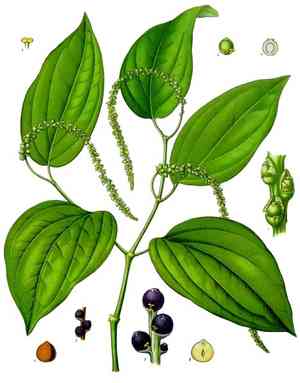
Piper nigrum is a tropical perennial vine recognized for its fragrant berries utilized as a seasoning. Reproduction is typically achieved via cuttings to guarantee the genetic consistency of subsequent plants. Cultivators ought to choose robust, pathogen-free stems for severance, ensuring they encompass multiple nodes where roots are capable of emerging. Cuttings ought to be embedded in a fertile, well-draining substrate, maintaining elevated humidity and warmth to foster root growth. Steady hydration is essential, yet preclude excessive saturation, which can induce decay.
Optimal Period for Black Pepper Propagation
Propagation Type
Cutting
Propagation Season
Spring,Summer
Tools Required for Black Pepper Propagation
Sharp pruning shears or a sterilized knife
These implements are vital for making clean, precise incisions when harvesting stem cuttings from black pepper. A keen blade ensures a smooth cut, minimizing harm to both the parent plant and the cutting. This is crucial for averting infection and fostering rapid healing and root formation.
Rooting hormone
Applying rooting hormone to the severed end of the stem cutting aids in stimulating root growth more effectively. For black pepper, which may exhibit slower or less vigorous natural root development, rooting hormone can significantly boost the success rate of cuttings by ensuring stronger root establishment.
Potting mix suitable for cuttings
A well-draining, sterile potting medium offers an ideal environment for black pepper cuttings to take root. The potting mix should retain sufficient moisture to keep the cuttings hydrated but also permit excess water to drain away easily, preventing root rot and fungal diseases.
Propagation trays or small pots
These containers hold the potting medium and accommodate the new cuttings. Ensuring they possess adequate drainage holes is key to maintaining the correct soil moisture level, which supports healthy root growth for black pepper.
Plastic covers or mini-greenhouses
Establishing a humid atmosphere around the new cuttings of black pepper is essential as it prevents the cuttings from dehydrating before they can develop roots. These covers help maintain high humidity and warm temperatures, which are optimal conditions for root development.
Heat mats (optional)
For propagators in cooler climates, heat mats can be advantageous. They help maintain a consistent soil temperature, which is particularly important for tropical plants like black pepper that thrive in warm conditions. Consistent warmth can significantly improve rooting success and accelerate the process.
How to Propagate Black Pepper?
Propagation Type
Moderately Difficult
Caring for Your Newly Propagated Black Pepper
Caring for Your Newly Propagated Black Pepper
Post-propagation, keep the soil moist but not waterlogged to encourage root development. As the black pepper begins to grow, gradually acclimate it to less humid conditions by opening the plastic bag or greenhouse for increasing durations daily. Once established, provide support for climbing, as black pepper is a vine plant. Position the plant in a location with partial shade or filtered sunlight. Regularly fertilize with a balanced fertilizer every 4-6 weeks during the growing season to support healthy growth and eventual pepper production.
Common Errors to Avoid When Propagating Black Pepper
Insufficient light
Without adequate illumination, black pepper's cuttings struggle to develop roots and foliage. This leads to stunted growth or propagation failure.
Overwatering
Excessive watering can lead to root rot and fungal diseases, which are detrimental to black pepper's propagation efforts.
Using old stems
Employing old or unhealthy stems as cuttings can result in poor root development and diminish the chances of black pepper's successful propagation.
Neglecting humidity
Black pepper cuttings require high humidity to root successfully. Ignoring this can cause them to dry out and perish before taking root.
Incorrect soil mixture
An unsuitable soil mix may not provide the necessary aeration or drainage required for black pepper's roots, affecting overall health and propagation success.
Advice for Propagating Black Pepper
Healthy parent plant
Select a vigorous and disease-free parent plant to ensure that the cuttings for black pepper are robust and have a higher likelihood of successful rooting.
Semi-hardwood cuttings
Utilize semi-hardwood cuttings from black pepper as they are at the ideal stage of growth for rooting, which allows for better propagation results.
Maintaining high humidity
Create a high humidity environment for black pepper cuttings, such as using a humidity dome, to promote rooting and prevent wilting.
Well-drained soil
Prepare a well-drained soil mix to prevent waterlogging and support healthy root growth for black pepper.
Indirect light
Place black pepper cuttings in bright, indirect light which is critical for stimulating root growth without causing damage to the developing foliage.



