How to Propagate Japanese black pine?
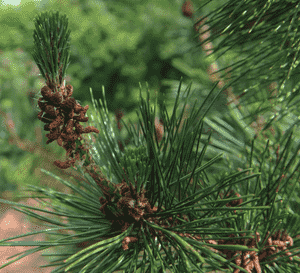
Japanese black pine thrives when propagated via cuttings, offering a convenient technique for cultivators to expand their collection. Harvesting semi-hardwood sections during the period of active development increases the likelihood of success. Effective root formation in cuttings is encouraged by ideal moisture levels and warmth, providing a supportive setting for roots to emerge. Choosing robust parent specimens is crucial for guaranteeing strong progeny. Sufficient soil permeability and the application of a rooting stimulant can improve the successful establishment of plants grown from cuttings.
Optimal Period for Japanese Black Pine Propagation
Propagation Method
Cutting
Propagation Period
Autumn,Winter
Tools Required for Japanese Black Pine Propagation
Sharp pruning shears
Essential for making precise cuts from the parent japanese black pine. Clean cuts help prevent disease and damage to both the parent plant and the cuttings. Sharp blades ensure that the cuttings have smooth cut surfaces, which are crucial for the successful callusing and rooting processes.
Rooting hormone
Applied to the cut ends of japanese black pine cuttings to encourage root development. This hormone stimulates root growth, increasing the chances of successful propagation. It is particularly important for japanese black pine, as it can sometimes be challenging to root.
Sterile potting mix
Provides a clean and controlled environment for the cuttings of japanese black pine to root. It's free from pathogens and pests, which is critical in preventing disease during the vulnerable phase of root development.
Humidity dome or plastic cover
Helps maintain consistent humidity around japanese black pine cuttings. This is crucial because it prevents the cuttings from drying out before they can establish roots, which is a risk given the generally slow rooting process of japanese black pine.
Heat mat
Used to maintain an optimal temperature at the base of the potting medium, facilitating faster and more effective root growth in japanese black pine cuttings. Consistent warmth is particularly beneficial during the cooler months or in cooler climates.
Difficulty Level of Japanese Black Pine Propagation
Propagation Type
Moderately Difficult
Post-Propagation Care for Japanese Black Pine
How to Care for Your Newly Propagated Japanese Black Pine?
After propagation, water the new japanese black pine regularly to keep the soil consistently moist but not soggy. Provide it with full sun to partial shade, and shelter it from strong winds. Use a slow-release, balanced fertilizer formulated for pines, following the manufacturer's instructions. As japanese black pine is tolerant of poor soils, over-fertilizing should be avoided to prevent excessive growth. Monitor for pests and diseases and prune dead or unhealthy branches to maintain the health and shape of the japanese black pine. With proper care, it will grow into a strong and resilient tree.
Common Errors to Avoid During Japanese Black Pine Propagation
Inadequate cutting preparation
Failure to properly prepare cuttings can lead to unsuccessful rooting. Cuttings should be from healthy branches and properly treated with rooting hormone.
Over-watering
Excessive watering can cause root rot and fungal growth, which are detrimental to japanese black pine's health. Maintaining proper moisture levels is crucial.
Ignoring pests and diseases
Not monitoring for pests and diseases during propagation can lead to infestations that compromise japanese black pine's growth and establishment.
Improper soil mix
Using a soil mix that doesn't drain well or lacks nutrients can inhibit japanese black pine's root development and overall health.
Advice for Propagating Japanese Black Pine
Semi-hardwood cuttings
Utilizing semi-hardwood cuttings during propagation can enhance the chances of successful rooting as they are more mature and less prone to rot.
Rooting hormone use
Applying a rooting hormone to the cuttings can stimulate root growth and improve the overall success rate of propagation.
Pest and disease management
Regular inspections for pests and diseases can prevent infestations that might otherwise harm vulnerable propagules.
Drainage and fertility
Ensuring the propagation medium has good drainage and fertility is essential for healthy root development and growth.



