How to Propagate Chinese pine?
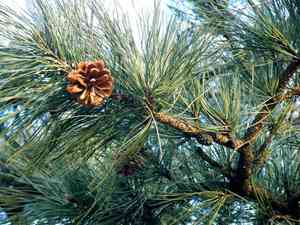
Pinus tabulaeformis, a coniferous species native to Northern China, necessitates particular propagation techniques that align with its developmental patterns and ecological requirements. To achieve successful cultivation, it is advisable to utilize the cutting technique by choosing robust, pathogen-free branches. These ought to be prepared with precise incisions and treated with rooting compounds to stimulate root development. The cuttings demand a substrate that drains effectively to avert decay and must sustain uniform dampness without becoming saturated. A protected setting is optimal, shielding the nascent cuttings from harsh gusts or intense solar exposure as they take root and become established.
Optimal Time for Chinese Pine Propagation
Propagation Method
Cutting
Propagation Period
Autumn,Winter
Tools for Chinese Pine Propagation
Sharp Pruning Shears
Pruning shears are vital for taking cuttings from chinese pine, ensuring a clean, precise cut that minimizes harm to the parent plant and the cutting. A sharp blade prevents tissue crushing, which can increase disease risk and hinder rooting. Quality shears enhance propagation success by promoting healthy callus formation and efficient rooting.
Rooting Hormone
Rooting hormone powders or gels significantly boost rooting success for chinese pine cuttings by stimulating root growth at the cut site. This is especially beneficial for woody plants like chinese pine, which can be challenging to root otherwise. Applying rooting hormone to the cut stem end before planting encourages quicker, more reliable root development, crucial for the new plant's health and sustainability.
Sterile Potting Mix
Using a sterile potting mix ensures that the delicate new roots of chinese pine cuttings are not exposed to pathogens that could cause disease and rot. A well-draining, nutrient-rich mix also provides the ideal environment for root growth, necessary for the establishment and viability of new chinese pine plants. This media supports the cuttings in their initial, most vulnerable stages.
Humidity Dome or Enclosure
A humidity dome or enclosure helps maintain high humidity around chinese pine cuttings, preventing them from drying out before roots establish. This tool is crucial for maintaining moisture levels around the cutting, mimicking chinese pine's natural habitat, thereby enhancing overall rooting percentage and speed.
Heat Mat
For chinese pine, maintaining an optimal soil temperature can enhance rooting rates and success. A heat mat placed under the propagation tray can gently warm the soil, aiding the rooting process. This is particularly beneficial during cooler months or in colder climates where ground temperature might otherwise inhibit root development in new cuttings.
How to Propagate Chinese Pine?
Propagation Difficulty
Moderately Difficult
Caring for Newly Propagated Chinese Pine
Caring for Newly Propagated Chinese Pine
After successful propagation, care for chinese pine by planting it in well-draining soil and a sunny location. Water young trees regularly, especially during dry periods, and protect them from extreme weather with mulch or windbreaks. Monitor for pests and diseases, and fertilize annually with a balanced N-P-K fertilizer based on growth stage and soil conditions.
Common Mistakes to Avoid When Propagating Chinese Pine
Overwatering
Excessive watering of chinese pine can lead to root rot and fungal diseases, which are detrimental to the plant's health and impede the establishment of seedlings or cuttings.
Incorrect soil mix
Using an unsuitable soil mix that lacks proper drainage will retain too much moisture around chinese pine's roots, potentially causing root diseases and stunted growth.
Deep planting
Planting chinese pine's seeds or cuttings too deeply can hinder proper germination or rooting due to insufficient light exposure and may lead to decay.
Neglecting cleanliness
Failing to use sterile tools and containers when handling chinese pine can introduce pathogens, increasing the risk of disease in both seeds and cuttings.
Impatience with growth
Chinese pine has a slow growth rate, and expecting rapid germination or rooting may lead to unnecessary interventions that can disturb or damage the propagules.
Tips For Propagating Chinese Pine
Appropriate water management
Provide chinese pine cuttings or seeds with consistent moisture, but ensure the soil has good drainage to avoid waterlogged conditions.
Well-draining soil
Use a well-draining soil mix combined with sand or perlite to prevent moisture retention and encourage healthy root development for chinese pine.
Correct planting depth
Place chinese pine's seeds lightly on the surface of the soil and cover with a thin layer of soil; plant cuttings at an appropriate depth to support stability without burying them too deep.
Sterilization of tools
Always use clean and sterilized tools and containers to minimize disease transmission during the propagation process of chinese pine.
Patience and care
Acknowledge chinese pine's slow-growing nature and provide consistent care, avoiding the urge to intervene aggressively, thereby allowing natural growth processes to occur.



