How to Propagate Table mountain pine?
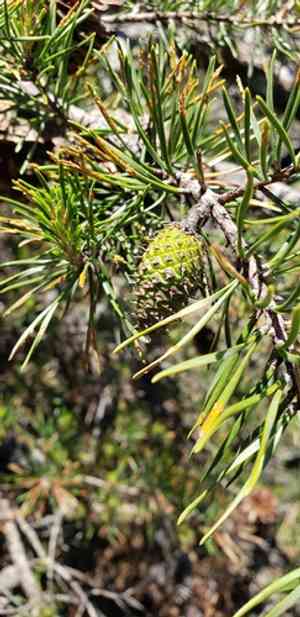
Pinus pungens, a robust pine variety, is highly suited to infertile, stony ground and flourishes in abundant sunlight. For effective propagation, utilize semi-hardwood cuttings. These ought to be harvested from robust, thriving specimens. Selecting cuttings from the present or preceding year's growth significantly boosts their capacity to root. Apply a rooting stimulant to the cuttings to encourage root formation, then embed them in a porous soil blend under regulated humidity levels to guarantee peak development.
When Is the Optimal Period to Propagate Table Mountain Pine?
Propagation Method
Cutting
Propagation Period
Autumn,Winter
What Implements Are Utilized in Table Mountain Pine Propagation?
Sharp Pruning Shears
These are vital for achieving clean and precise cuts when harvesting cuttings from table mountain pine. They help minimize harm to the parent plant and the cutting, which is critical for the healing and rooting process.
Rooting Hormone
This chemical compound stimulates root development from table mountain pine cuttings. Applying it to the cutting's base significantly boosts the chances of successful rooting, which can otherwise be challenging given table mountain pine's resilience.
Sterilized Containers
Used to hold the cuttings after they have been treated with rooting hormone. Sterilized containers prevent the introduction of pathogens that could jeopardize the rooting process of table mountain pine.
High-Quality Potting Mix
This is important for providing table mountain pine cuttings with a supportive and sterile environment for root establishment. A well-draining, nutrient-rich potting mix ensures good aeration and moisture retention, crucial for root development.
Humidity Dome or Plastic Cover
This tool helps maintain elevated humidity levels around table mountain pine cuttings, which is essential to prevent desiccation while they develop roots. This controlled environment aids in overall cutting survival and health.
How to Propagate Table Mountain Pine?
Propagation Difficulty
Moderately Difficult
How to Care for Your Newly Propagated Table Mountain Pine?
How to Care for Your Newly Propagated Table Mountain Pine?
Once roots are established, gradually introduce the young table mountain pine to its permanent outdoor location. Provide it with full sun exposure and well-draining soil typical for its natural habitat. Regular watering should be balanced with good soil drainage to prevent root rot. As a slow-growing and hardy species, table mountain pine will require minimal upkeep once established, but monitor for pests and diseases seasonally.
Common Errors to Avoid When Propagating Table Mountain Pine
Insufficient soil preparation
Using unsuitable or poorly prepared soil can hinder the rooting and initial growth of table mountain pine. This species requires well-drained soil with a slightly acidic pH. Using compacted, nutrient-deficient, or highly alkaline soil will likely result in poor root development and plant stress.
Excessive watering
While establishing table mountain pine, overwatering can be detrimental. This species is adapted to relatively dry conditions, and too much moisture can lead to root rot and other fungal diseases, ultimately weakening or killing the plant.
Overcrowding seeds or cuttings
Table mountain pine needs ample space to grow, especially given its eventual size and spreading root system. Overcrowding can lead to competition for light, nutrients, and air circulation, which increases susceptibility to diseases and reduces overall growth and vigor.
Advice For Propagating Table Mountain Pine
Use of fresh seeds
For successful propagation, it is vital to use fresh seeds of table mountain pine since their viability diminishes with age. Fresh seeds ensure higher germination rates and healthier seedlings.
Stratification of seeds
Implementing a cold stratification process mimics natural winter conditions, which helps break seed dormancy. This process is essential for enhancing the germination rate of table mountain pine's seeds.
Proper pruning
Managing the growth of table mountain pine through strategic pruning helps maintain a desirable shape and promotes healthy growth. Pruning also prevents excessive resource allocation to unnecessary branches, focusing the plant's energy on developing a strong, viable structure.



