How to Propagate Maritime pine?
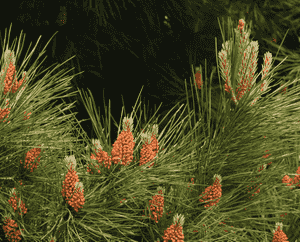
Pinus pinaster, a coniferous species, thrives in littoral environments and sandy substrates. Its propagation predominantly involves cuttings, utilizing mature plant material for effective root development. It is crucial to select cuttings from robust, disease-free parent plants and apply rooting stimulants to improve their establishment. Following collection, position the cuttings in a sterile, free-draining substrate, ensuring sufficient hydration and shielding from harsh conditions until a strong root system has developed.
What Is the Best Time To Propagate Maritime Pine?
Propagation Type
Cutting
Propagation Season
Autumn,Winter
What Tools Are Used in Maritime Pine Propagation?
Sharp Pruning Shears
These are vital for taking maritime pine cuttings cleanly and precisely, reducing harm to the parent plant and lowering infection risk. Sharp blades ensure a clean cut, aiding faster healing for both the cutting and the parent plant.
Rooting Hormone
Applied to the base of maritime pine cuttings, this enhances root development. Its chemical compounds stimulate root growth more effectively than just placing cuttings in a medium, boosting propagation success.
Sterile Growing Medium
A blend of peat, perlite, and sand provides excellent drainage and aeration, essential for maritime pine cutting root development. Its sterility prevents pathogens from harming new roots.
Propagation Tray
These trays organize multiple maritime pine cuttings in a compact area, ensuring each has ample growth space. The controlled environment can be optimized for humidity and temperature to encourage rooting.
Plastic Covers
Plastic covers create a greenhouse-like setting over the propagation tray, maintaining high humidity and stable temperatures. This environment is crucial for maritime pine cuttings, preventing them from drying out before rooting.
How to Propagate Maritime Pine?
Propagation Type
Moderately Difficult
How to Care for Your Newly Propagated Maritime Pine?
How to Care for Your Newly Propagated Maritime Pine?
After successful maritime pine propagation, ensure the young plant receives adequate water, especially during dry spells, as it establishes. Position it in full sun and shield it from strong winds. Fertilize sparingly, as excessive nutrients can harm young pines. Monitor for pests and diseases, and prune only to remove dead or broken branches. Being a slow-growing species, maritime pine thrives with patience and minimal intervention.
Common Mistakes to Avoid When Propagating Maritime Pine
Overwatering Cuttings
Excessive moisture can cause maritime pine cuttings to rot before rooting, significantly decreasing successful propagation chances.
Neglecting Hygiene
Using unclean tools or media can introduce pathogens, risking infections that may harm or kill maritime pine cuttings.
Ignoring Rooting Hormone
Failing to use rooting hormone can lead to poor or inconsistent root development, as it greatly improves maritime pine rooting success.
Inadequate Light
Too much or too little light can be harmful. Cuttings need indirect light to avoid stress while promoting photosynthesis.
Not Adjusting Humidity Levels
Maritime pine cuttings require high humidity to prevent drying, but without proper ventilation, this humidity can foster fungal growth.
Tips For Propagating Maritime Pine
Proper Watering
Ensure the soil is moist but well-draining to protect maritime pine cuttings from rot while providing sufficient water for growth.
Sterilize Equipment
Always use sterilized tools and containers to minimize disease risk, which is crucial for the health and success of growing maritime pine.
Use Rooting Hormone
Apply rooting hormone to the cut base of maritime pine cuttings to stimulate root growth and increase successful propagation chances.
Indirect Lighting
Place maritime pine cuttings in an environment with indirect sunlight to promote photosynthesis without causing damage from direct sun exposure.
Control Humidity
Maintain high humidity around maritime pine cuttings using a plastic cover or propagation dome with ventilation to balance moisture and airflow.



