How to Propagate Lodgepole pine?
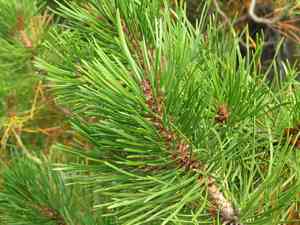
Lodgepole pine is most effectively reproduced in the fall and winter seasons through methods such as layering, taking cuttings, or direct seeding. This procedure presents a moderate challenge, with successful reproduction indicated by the emergence of fresh shoots. To achieve optimal outcomes, ensure steady hydration.
Optimal Time for Lodgepole Pine Propagation
Propagation Method
Cutting
Propagation Period
Autumn,Winter
Tools for Lodgepole Pine Propagation
Sanitized Pruning Shears
These are essential for taking precise cuttings from lodgepole pine, minimizing harm to the parent plant. Sharp blades ensure clean cuts, vital for preventing infection and promoting healthy root growth.
Rooting Hormone
This chemical compound encourages root development on lodgepole pine cuttings. Applying it to the cut end helps stimulate root formation, boosting the likelihood of successful propagation.
Sterile Potting Mix
Used for planting lodgepole pine cuttings, this medium offers a clean, nutrient-rich, and well-draining environment. Sterility helps prevent disease spread during the delicate root development phase.
Propagation Trays
These trays securely hold lodgepole pine cuttings and maintain proper moisture levels, crucial for root development. They also allow for propagating multiple cuttings in a compact area.
Plastic Domes or Covers
Covering lodgepole pine cuttings with a plastic dome maintains high humidity, which is vital for cutting survival before roots form and can absorb water from the soil.
Heat Mats
Optional tool to provide warmth from below, which can enhance rooting success rates for lodgepole pine by maintaining an ideal soil temperature conducive to root formation.
Fine Mist Sprayers
These are used to gently water lodgepole pine cuttings without disturbing the soil or causing erosion. Regular misting helps maintain high humidity, beneficial for new root development.
Labeling Materials
Labels are important for recording the propagation date and other relevant information about lodgepole pine cuttings. Proper labeling aids in monitoring progress and organizing the propagation process.
Caring for Your Newly Propagated Lodgepole Pine
Caring for Your Newly Propagated Lodgepole Pine
Once lodgepole pine cuttings have rooted and new growth is visible, which may take several months, gradually acclimate them to the outdoor environment by slowly removing the plastic cover. Water consistently to keep the soil uniformly moist, and shield the young lodgepole pine from extreme temperatures. After the plantlings are established, they can be moved to their permanent outdoor location in well-drained soil, in full sun or light shade, where they will mature into lodgepole pine trees.
Common Mistakes to Avoid When Propagating Lodgepole Pine
Neglecting seed stratification
Lodgepole pine seeds require a cold stratification period to break dormancy. Failing to provide this chilling period often results in poor germination rates.
Planting seeds too deeply
Lodgepole pine seeds should be sown at a shallow depth. Planting them too deep in the substrate could prevent them from breaking through the surface and sprouting.
Over-watering
While lodgepole pine needs moist conditions for germination, excessive watering can lead to fungal growth and seed rot, reducing propagation success.
Ignoring soil composition
Lodgepole pine prefers well-drained soils. Using a soil mix that retains too much water can hinder root growth and increase the risk of root diseases.
Overlooking light requirements
During germination and early growth, lodgepole pine needs ample light. Insufficient light can result in weak, elongated seedlings and reduced vigor.
Tips For Propagating Lodgepole Pine
Cold stratification
Mimic natural conditions by stratifying lodgepole pine seeds in a refrigerator for about 30-60 days before sowing to improve germination success.
Proper seed depth
Sow lodgepole pine seeds at a depth of approximately 1/8 inch. This ensures the seeds are not too far from light and can germinate effectively.
Balanced watering
Maintain consistent moisture for lodgepole pine without over-watering to prevent rot and ensure healthy seed germination.
Appropriate soil mix
Use a well-draining soil mix suitable for lodgepole pine to promote adequate root development and minimize the risk of waterlogging.
Adequate lighting
Provide plenty of light for young lodgepole pine seedlings after germination to develop strong, robust plants.



