How to Propagate Sand pine?
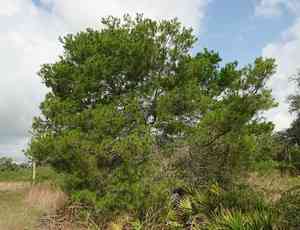
Sand pine can be propagated through various techniques such as air layering, stem cuttings, and seed sowing, with the most favorable period being autumn and winter. The ease of propagation can differ, and successful outcomes are indicated by the emergence of fresh foliage or nascent buds. Specific guidance might be essential for achieving successful propagation.
What Is the Best Time To Propagate Sand Pine?
Propagation Type
Cutting
Propagation Season
Autumn,Winter
What Tools Are Used in Sand Pine Propagation?
Pruning Shears
Pruning shears are vital for precisely taking cuttings from sand pine, preventing harm to the parent plant. A sharp, clean cut improves the rooting success of cuttings. This tool is mainly for snipping branches suitable for propagation, ideally new growths that are neither too young nor too old.
Rooting Hormone
Rooting hormone aids in the development of roots in sand pine cuttings. Applying this hormone to the cut end of the cutting accelerates root formation and boosts the likelihood of successful propagation. This is especially useful for sand pine, as conifer cuttings can sometimes be harder to root than hardwood cuttings.
Sterilizing Agent
A sterilizing agent is used to sanitize pruning shears and other tools before cutting sand pine to stop disease transmission. This is crucial for maintaining the health and viability of both the cuttings and the parent plant. Common sterilizing agents include alcohol or a bleach solution.
Propagation Medium
The correct propagation medium offers support and the necessary air circulation and moisture for sand pine cuttings to grow roots. Examples include a mix of peat and perlite or sand, which drain well and reduce the risk of rot during the initial stages of root development.
Misting System or Spray Bottle
Maintaining high humidity around sand pine cuttings is essential to prevent moisture loss through the leaves until roots form. A misting system or a manual spray bottle can be used to regularly mist the cuttings, creating a humid environment favorable for rooting.
Propagation Tray with Dome
A propagation tray with a clear dome or cover creates a mini-greenhouse environment to retain moisture and warmth around sand pine cuttings. This controlled setting keeps humidity and temperature consistent, which is beneficial during the critical rooting phase.
Heating Mat
A heating mat provides consistent bottom warmth to the propagation tray, encouraging root growth in sand pine cuttings. Conifers like sand pine can benefit from a gentle heat source to stimulate rooting, especially in cooler climates or during colder times of the year.
How to Care for Your Newly Propagated Sand Pine?
How to Care for Your Newly Propagated Sand Pine?
Once sand pine cuttings have successfully rooted and acclimated, plant them in well-drained soil with full sun exposure. Water consistently to keep the soil slightly moist but not waterlogged. Apply a slow-release fertilizer during the active growth period. As sand pine is adapted to sandy soils and is drought-tolerant, reduce watering frequency once the plant is established. Protect young plants from extreme temperatures and pests until mature.
Common Mistakes to Avoid When Propagating Sand Pine
Ignoring root development
Neglecting the importance of a robust root system before transplanting can result in sand pine failing to establish properly in a new location. Weak root systems may make the plant more vulnerable to environmental stress and less likely to flourish.
Inadequate stratification
Failing to provide a stratification period for sand pine's seeds, mimicking their natural winter dormancy, can lead to poor germination rates, as this process is vital for breaking seed dormancy.
Incorrect soil composition
Using soil that lacks proper drainage or texture can lead to water retention and root rot. Sand pine requires well-draining soil to emulate its natural sandy habitat.
Excessive moisture
Consistently overwatering sand pine, particularly during the rooting phase, can lead to fungal growth and root decay, impeding the plant's healthy development.
Tips For Propagating Sand Pine
Seed treatment
Apply pre-sowing treatments such as stratification to sand pine's seeds to enhance germination rates. This process mimics natural conditions that the seeds must undergo before germination can occur.
Rooting environment
Ensure sand pine cuttings are placed in an environment with appropriate humidity and temperature. Using a rooting hormone can also promote root development.
Soil preparation
Prepare a well-draining soil mix with a texture similar to sand pine's natural habitat, which helps prevent waterlogging and related root issues.
Avoid deep planting
When sowing sand pine's seeds, do not bury them too deeply as they need light for optimal germination. A light covering of soil is sufficient for the seeds to anchor while still receiving necessary sunlight.



