How to Propagate Caribbean pine?
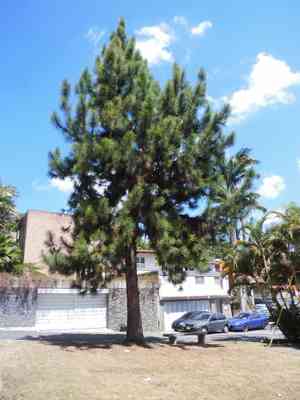
Pinus caribaea flourishes in tropical and subtropical environments, recognized for its capacity to adapt to diverse soil compositions. Effective propagation methods involve employing semi-hardwood cuttings, which must be harvested from robust, pathogen-free parent specimens. Verify that cuttings are treated with a rooting stimulant to boost root formation. Position cuttings in a substrate that drains efficiently and sustain appropriate hydration levels to foster root growth.
Optimal Period for Caribbean Pine Propagation
Propagation Method
Cutting
Propagation Season
Autumn,Winter
Tools Required for Caribbean Pine Propagation
Pruning Shears
Utilized for taking precise caribbean pine cuttings. Ensure sharpness and sterility for clean cuts and infection prevention.
Rooting Hormone
Applied to cut ends of cuttings to stimulate root development, vital for successful establishment of new caribbean pine plants.
Propagation Trays
Contain and organize cuttings during the rooting process. They offer proper drainage and aeration for developing caribbean pine roots.
Humidome
Maintains high humidity around cuttings to prevent desiccation, crucial for caribbean pine cuttings to form roots.
Heat Mat
Provides consistent warmth from below to encourage root growth. Caribbean pine cuttings benefit from this heat, enhancing root development.
Sterile Medium
A blend such as perlite, vermiculite, or a seed-starting mix for planting cuttings. It helps prevent diseases and offers a clean environment for growth.
Spray Bottle
Used to mist cuttings regularly, maintaining appropriate humidity without over-watering, which helps caribbean pine cuttings stay hydrated and healthy.
Propagating Caribbean Pine: A Guide
Propagation Type
Moderately Difficult
Caring for Your Newly Propagated Caribbean Pine
Caring for Your Newly Propagated Caribbean Pine
Once rooted, gradually introduce caribbean pine to normal growing conditions by removing the plastic cover over one to two weeks. Transplant new plants into individual pots with well-draining soil and place them in bright, indirect light. Water regularly, avoiding waterlogging. Fertilize caribbean pine with a balanced, slow-release fertilizer once new growth appears. Monitor for pests and diseases, and provide support as needed for strong, upright growth.
Common Errors to Avoid When Propagating Caribbean Pine
Overwatering
Can lead to root rot, fungal issues, and poor root establishment.
Using inappropriate soil
Soil that is too dense or retains excessive water can impede root growth and air circulation.
Incorrect light conditions
Insufficient light can result in weak growth, while too much direct sunlight can burn young plants.
Improper handling of seeds
Failure to properly stratify or scarify seeds can lead to low germination rates.
Neglecting pest control
Ignoring common pests can cause damage and stunted growth in seedlings.
Tips for Propagating Caribbean Pine
Use well-draining soil
Ensure the soil mix allows for adequate drainage to prevent waterlogging and promote healthy root development.
Control watering
Keep the soil moist but not saturated, allowing the top layer to dry slightly before re-watering.
Provide adequate light
Position seedlings in a spot with bright, indirect light to encourage robust, healthy growth.
Proper seed treatment
Stratify seeds by cold-treating them before sowing to mimic natural conditions and improve germination.
Monitor for pests
Regularly check for pests and take swift action to prevent infestation and protect seedlings.



